Women and alcohol have a complex relationship shaped by biology, emotions, social pressures, and mental health. While drinking is common in many social settings, the risks alcohol poses to women are distinct and often more serious than many people realize. Understanding these risks is an important first step toward protecting long-term health and well-being.
According to the 2024 National Survey on Drug Use and Health, approximately 10.7 million adult women in the United States had alcohol use disorder in the past year. Despite these numbers, many women delay or avoid seeking help due to stigma, fear, or uncertainty about what treatment involves. For women who are ready to explore their options, alcohol addiction treatment at Crestview Recovery offers compassionate, evidence-based care designed to support lasting recovery.
Women have less body water than men, which means alcohol becomes more concentrated in the bloodstream after drinking. Hormonal fluctuations throughout the menstrual cycle can also influence how alcohol is processed, sometimes intensifying its effects at certain points in the month.
Women produce lower levels of alcohol dehydrogenase, the enzyme responsible for breaking down alcohol in the stomach. This means more alcohol enters the bloodstream before the body can process it, leading to higher blood alcohol concentrations from smaller amounts.
Women develop alcohol-related health problems sooner and at lower drinking levels than men. Conditions such as liver disease, heart damage, and cognitive decline can appear earlier in women, even among those who drink moderately by general standards.
Common Reasons Women Drink Alcohol

Women drink for many reasons, and understanding those reasons is key to addressing the root causes of problematic use. Drinking often begins as a way to manage stress or difficult emotions, but over time, it can become a habit that is hard to break.
Many women turn to alcohol after long days of work, caregiving, or managing household responsibilities. It can feel like a quick way to decompress, but relying on alcohol to unwind can gradually shift into dependence.
Social settings often normalize drinking, and women may feel pressure to participate to fit in or avoid judgment. Alcohol marketing has increasingly targeted women, further reinforcing the idea that drinking is a normal part of relaxation and socializing.
Anxiety, depression, and unresolved trauma are among the most common emotional drivers of alcohol use in women. Alcohol may temporarily quiet difficult feelings, but it consistently worsens mental health symptoms over time.
Relationship conflict, divorce, grief, and family stress can all contribute to increased drinking. Women who feel isolated or unsupported may use alcohol to cope with emotional pain they feel unable to share with others.
Short-Term Effects of Alcohol on Women
Even occasional or moderate drinking can produce noticeable short-term effects in women. Because women reach higher blood alcohol levels faster, these effects can be more pronounced and arrive sooner than expected.
Alcohol lowers inhibitions and impairs decision-making, increasing vulnerability to unsafe situations. Women who drink are at greater risk of accidents, assault, and other safety-related harms.
Women are more likely than men to experience blackouts—periods of memory loss during drinking—even at lower blood alcohol levels. Hangovers in women tend to be more severe and can include significant mood swings and emotional instability.
While alcohol may initially feel sedating, it disrupts sleep quality and can cause early waking and restlessness. Many women also experience heightened anxiety the morning after drinking, sometimes called “hangxiety,” which can create a cycle of drinking to relieve the very symptoms alcohol caused. For those experiencing ongoing anxiety related to alcohol use, seeking anxiety treatment Portland can provide the support and coping strategies needed for lasting recovery.
Drinking can lead to increased conflict, miscommunication, and emotional withdrawal in relationships. Partners, children, and close friends may notice changes in behavior or mood that create tension and distance over time.
Long-Term Health Risks of Alcohol for Women
The long-term health consequences of alcohol use are serious for anyone, but women face a heightened risk of developing certain conditions more quickly and at lower levels of consumption. The CDC notes that excessive alcohol use increases the risk of disease, injury, and early death.
Women develop alcohol-related liver disease faster than men and at lower levels of consumption. Chronic drinking also raises the risk of high blood pressure, cardiomyopathy, and stroke.
Alcohol use is linked to an increased risk of breast, liver, colon, and esophageal cancers in women. It can also disrupt hormonal balance, interfere with fertility, and cause serious complications during pregnancy.
Long-term alcohol use can accelerate cognitive decline and increase the risk of memory problems and dementia. Women appear to be more vulnerable to alcohol-related brain damage than men, even with shorter or less heavy drinking histories. As part of a comprehensive recovery plan, participating in CBT therapy Portland can help women address unhealthy drinking patterns, strengthen coping skills, and support long-term cognitive and emotional well-being.
Women can develop alcohol dependence more rapidly than men, a phenomenon sometimes called “telescoping.” Once dependence develops, withdrawal can be medically serious and should not be managed without professional support.
Women, Alcohol, and Mental Health
The relationship between women and alcohol is deeply connected to mental health. Many women who struggle with drinking also live with anxiety, depression, PTSD, or trauma—and these conditions often fuel one another in ways that make recovery more complex without professional support.
Women are more likely than men to have a co-occurring mental health disorder alongside alcohol use disorder. Conditions such as depression, generalized anxiety disorder, and PTSD are especially common among women seeking treatment. Dual diagnosis treatment Portland provides integrated care that addresses both alcohol use disorder and co-occurring mental health disorders, helping women achieve lasting recovery and improved emotional well-being.
Alcohol may feel like a solution in the short term, offering temporary relief from emotional pain or racing thoughts. Over time, however, it worsens the very symptoms it was meant to soothe, creating a cycle that becomes increasingly difficult to break without professional help.
When mental health and alcohol use disorders occur together, recovery requires addressing both at the same time. Women who try to manage one without the other often find that untreated symptoms become a trigger for relapse.
Signs Alcohol Use May Be Becoming a Problem for Women
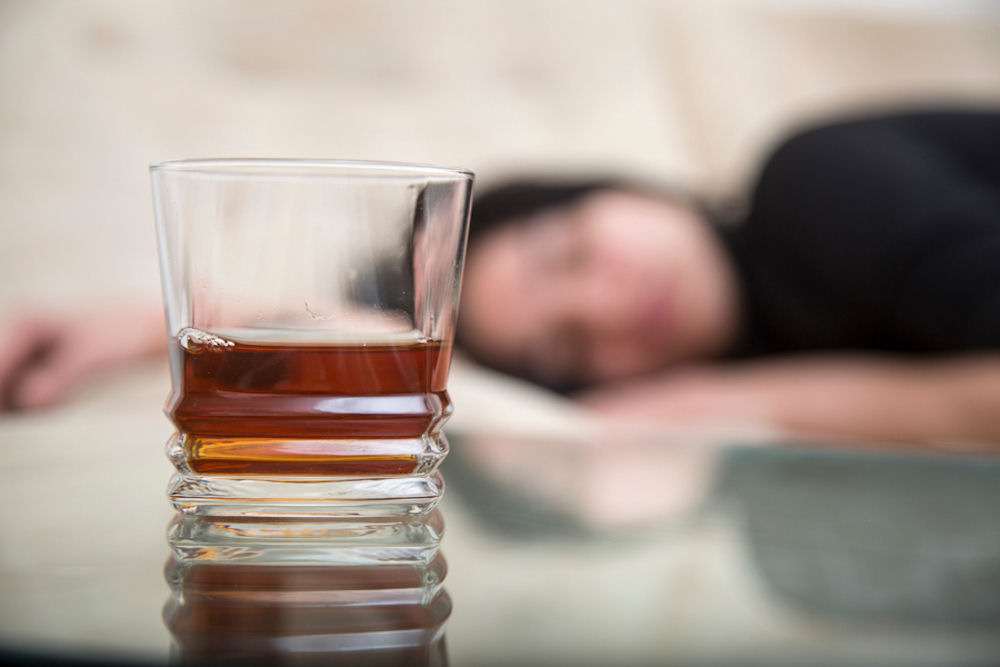
Recognizing the warning signs of problematic drinking is not always easy, especially when alcohol use has become a normal part of daily life. The following signs may indicate that alcohol use has moved beyond casual drinking.
- Drinking more than intended regularly
- Feeling unable to cut back despite wanting to
- Hiding or minimizing alcohol use from others
- Drinking to manage emotions, stress, or anxiety
- Feeling guilt or shame after drinking
- Needing alcohol to relax or fall asleep
- Missing work, family, or personal responsibilities due to drinking
- Continuing to drink despite problems in relationships or at work
- Experiencing health issues that may be related to alcohol use
- Withdrawing from activities or people once enjoyed
When the body becomes dependent on alcohol, stopping or cutting back can trigger withdrawal symptoms such as shakiness, sweating, nausea, anxiety, and in severe cases, seizures. These symptoms are a clear sign that medical support is needed before stopping alcohol use.
What Alcohol Addiction Treatment Looks Like for Women
Effective treatment for women and alcohol addiction goes beyond simply stopping drinking. It addresses the emotional, psychological, and social factors that contribute to alcohol use in a way that feels safe, structured, and supportive.
Gender-specific treatment allows women to heal in an environment where they feel understood and respected. Programs designed for women address the unique experiences, traumas, and pressures that often drive alcohol use.
Treatment is not one-size-fits-all. Depending on the level of care needed, women may benefit from residential treatment—which provides a structured, immersive environment—or from flexible options such as outpatient treatment, PHP, or IOP, which allow women to maintain some daily responsibilities while receiving care.
Comprehensive treatment often includes individual therapy, group therapy, and family therapy to address relationships and communication. For women with co-occurring mental health conditions, dual diagnosis treatment and trauma-informed care are essential components of a complete recovery plan.
Recovery does not end when a treatment program does. Aftercare planning helps women build a sustainable support system, develop healthy coping strategies, and stay connected to resources that reduce the risk of relapse over the long term.
Getting Help for Women and Alcohol Addiction at Crestview Recovery
Taking the first step toward help is one of the most courageous decisions a woman can make. Crestview Recovery is here to support that step with compassionate, evidence-based care in Portland, Oregon.
Crestview Recovery offers a women’s rehab program built around the unique needs of women in recovery. The program recognizes that healing involves more than stopping alcohol use—it involves rebuilding confidence, processing trauma, and developing a life that supports long-term wellness.
Crestview Recovery provides a full continuum of care, including residential treatment, outpatient options, PHP, IOP, individual and group therapy, dual diagnosis support, trauma-informed care, and aftercare planning. Every treatment plan is individualized to reflect each woman’s history, goals, and needs.
Getting started is simpler than it may seem. Women can reach out to Crestview Recovery by phone or through the website to speak with a caring admissions team member who can answer questions, explain options, and help determine the right level of care.
No matter how long alcohol has been a part of life, recovery is possible. The team at Crestview Recovery is committed to walking alongside each client every step of the way toward a healthier, more fulfilling future.
If alcohol has been affecting your health, relationships, or daily life, now is the time to reach out. Crestview Recovery’s alcohol addiction treatment programs in Portland, Oregon, are designed to meet women where they are and help them build the foundation for lasting recovery. Contact Crestview Recovery today to learn more about available programs and take the first step toward change.
Frequently Asked Questions
Women have less body water and lower levels of the enzyme that breaks down alcohol, which means alcohol enters the bloodstream faster and in higher concentrations. This leads to stronger effects from smaller amounts and a faster progression to alcohol-related health problems.
Common warning signs include drinking more than intended, feeling unable to cut back, hiding alcohol use, drinking to cope with emotions, and experiencing withdrawal symptoms when not drinking. If alcohol is affecting relationships, work, or health, speaking with a treatment professional is an important next step.
Women have access to a range of treatment options, including residential treatment, outpatient programs, PHP, IOP, individual therapy, group therapy, and dual diagnosis support. The right level of care depends on the severity of alcohol use and any co-occurring mental health conditions.
Dual diagnosis treatment addresses both alcohol use disorder and co-occurring mental health conditions at the same time. This integrated approach is more effective than treating each condition separately and helps women understand the connection between their mental health and their drinking.
It is never too late to seek help for alcohol addiction. Women at any stage of alcohol use disorder can benefit from professional treatment, and recovery is possible regardless of how long alcohol has been a problem. Reaching out is the most important first step.
Women who contact Crestview Recovery can expect a compassionate admissions process that includes a thorough assessment of their needs and a clear discussion of treatment options. From there, a personalized care plan is developed to support each woman’s recovery in a safe and structured environment.