
Healing Begins Here
What Is Oxycodone and How Does Addiction Develop?
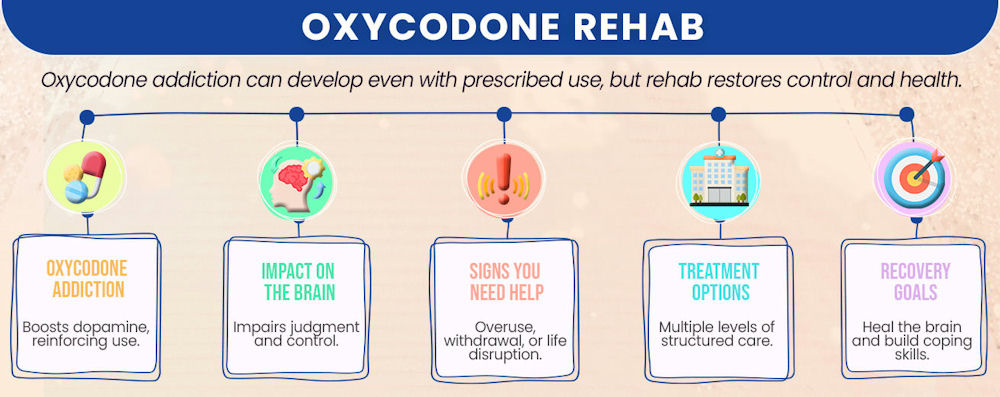
Oxycodone works by binding to opioid receptors in the brain and triggering a large release of dopamine, the chemical responsible for feelings of pleasure, reward, and well-being. For many people, this flood of dopamine creates a powerful sense of relief that goes well beyond pain management. Over time, the brain adjusts to this artificial stimulation by reducing its own natural dopamine production. The result is that a person becomes physically and psychologically dependent on oxycodone just to feel normal.
What makes oxycodone addiction particularly difficult to recognize is that it often begins with a valid prescription. A person may start taking the medication exactly as directed following an injury, surgery, or for chronic pain management, and still develop a dependency. For some individuals, addiction can take hold after just a few uses due to genetic factors. For others, tolerance builds gradually over months of use, eventually leading to misuse. In either case, oxycodone addiction is a medical condition that requires professional treatment, not willpower or self-discipline alone.
When addiction takes hold, it affects more than just physical dependency. Oxycodone impacts the brain’s prefrontal cortex, the area responsible for decision-making, impulse control, emotional regulation, and the ability to anticipate consequences. Understanding oxycodone potentiators is also important, as certain substances can intensify oxycodone’s effects and increase the risks associated with misuse. This is why people struggling with oxycodone addiction often make choices that seem out of character, and why simply deciding to stop is rarely enough without clinical support.
Signs and Symptoms of Oxycodone Addiction
Behavioral and psychological signs include:
- Taking oxycodone in larger doses or more frequently than prescribed
- Continuing to use the drug despite negative consequences to work, relationships, or health
- Visiting multiple doctors or pharmacies to obtain additional prescriptions
- Intense preoccupation with obtaining and using oxycodone
- Withdrawal from family, friends, and social activities
- Mood swings, irritability, or anxiety when doses are missed or reduced
- Neglecting personal responsibilities, hygiene, or finances
- Using oxycodone to manage emotional pain, stress, or anxiety — not just physical discomfort
Physical signs include:
- Drowsiness or nodding off unexpectedly
- Slowed breathing or shallow respiration
- Constricted pupils
- Nausea or constipation
- Significant weight changes
- Physical discomfort or flu-like symptoms between doses — a sign of withdrawal
If you recognize these signs in yourself or a loved one, reaching out for professional help is the most important step you can take.

How Crestview Recovery Treats Oxycodone Addiction
For many people with oxycodone addiction, stepping fully away from daily life is what makes the difference between short-term sobriety and lasting change. Our residential program places clients in a structured therapeutic community where treatment is the only focus. Days are built around individual therapy, group work, skill-building, and clinical programming, all delivered in a safe, supportive environment by our experienced team. Clients who have tried to stop on their own, or who have cycled through outpatient care without success, frequently find that the depth and consistency of residential treatment is what finally creates meaningful, sustained recovery.
For those who need even more time, our 90-day extended residential program goes deeper, allowing the brain more time to heal from the neurological effects of long-term oxycodone use, and giving clients the space to address root causes of addiction that shorter programs may not fully reach. Extended residential care is particularly valuable for clients managing chronic pain alongside addiction, as it allows time to develop and practice non-medication-based pain management strategies before returning to independent life.
A partial hospitalization program is the natural bridge between the intensity of residential treatment and the flexibility of outpatient care. Clients engage in a full day of structured clinical programming, including individual therapy, group sessions, and skills work, then return to sober living or home each evening. For clients stepping down from residential care, PHP reinforces and builds on the progress made during inpatient treatment while beginning to reintroduce real-world structure and responsibility. For those entering at this level, it provides a high degree of clinical support without requiring an overnight stay.
Our IOP is designed for clients who are ready to begin rebuilding their professional, family, and social lives while maintaining a structured connection to treatment. Unlike a traditional outpatient program, IOP for addiction involves multiple sessions per week with a strong clinical focus, covering the relapse prevention strategies, emotional regulation tools, and interpersonal skills that are especially important when navigating prescription drug recovery in environments where oxycodone may still be accessible through medical channels. Clients in IOP are actively learning to manage the triggers and situations unique to prescription opioid addiction.
A significant portion of people who develop oxycodone addiction are also managing depression, anxiety, PTSD, chronic pain, or unresolved trauma. In many cases, oxycodone use began as an attempt, conscious or not, to manage these conditions alongside physical pain. Treating the addiction in isolation without addressing what is driving it leaves the most important work undone. Crestview’s dual diagnosis program integrates mental health and addiction treatment from the start, ensuring clients receive care for the complete picture of their experience.
The therapies used at Crestview are specifically selected and applied with oxycodone addiction in mind.
- Cognitive behavioral therapy (CBT) helps clients identify and restructure the thought patterns that sustain drug-seeking behavior.
- Dialectical behavior therapy (DBT) builds the distress tolerance and emotional regulation skills needed to manage cravings and difficult emotions without medication.
- Trauma therapy addresses the underlying wounds that frequently co-occur with prescription drug addiction.
- Individual therapy, group therapy, and family therapy work in concert to repair relationships, rebuild communication, and create a recovery support network that extends beyond the walls of treatment.
- Holistic approaches, including mindfulness and non-pharmacological pain management techniques, round out a program designed to help clients manage discomfort and stress without opioids.
The transition out of intensive treatment is one of the highest-risk periods in oxycodone recovery, particularly for clients who may still have access to prescription medications through medical providers or who are managing ongoing pain conditions. Crestview’s aftercare planning addresses these specific risks head-on, connecting clients with sober living options, ongoing outpatient support, and community resources designed to protect and build on the progress made during treatment.
Frequently Asked Questions About Oxycodone Addiction Treatment
Yes, and it happens more often than most people realize. Oxycodone is a powerful opioid, and physical dependence can develop even when the medication is taken exactly as directed by a physician. Some individuals are more genetically predisposed to developing dependency quickly, while others build tolerance gradually over months of use. Addiction developing through a legitimate prescription is not a moral failure — it is a recognized medical reality that requires compassionate, professional treatment.
Some key indicators include: taking oxycodone in larger amounts or more frequently than prescribed; feeling unable to cut back despite wanting to; experiencing withdrawal symptoms between doses; continuing to use despite negative effects on your relationships, work, or health; or using oxycodone to manage emotional pain rather than physical pain. If oxycodone use is creating problems in your life and you feel unable to stop, that is a strong signal that professional support is needed.
Oxycodone creates physical dependence by altering the brain’s natural dopamine production. Without the drug, the brain struggles to generate normal levels of pleasure and comfort, producing intensely uncomfortable withdrawal symptoms. These symptoms — combined with powerful psychological cravings — make self-detox extremely difficult and significantly increase the risk of relapse. Medically supervised detox and structured treatment dramatically improve the odds of successful, sustained recovery.
Research consistently shows that a combination of medically supervised detox followed by residential inpatient treatment and ongoing step-down care produces the best long-term outcomes for oxycodone addiction. The immersive structure of residential treatment removes clients from triggering environments, provides round-the-clock clinical support, and allows the brain time to begin healing. For those with more complex histories, Crestview’s 90-day extended care program provides even greater depth of treatment and preparation for independent sobriety.
Absolutely. Depression, anxiety, PTSD, trauma, and chronic pain conditions frequently co-occur with oxycodone addiction and are often deeply connected to how the addiction developed. Treating only the substance use without addressing these underlying factors leaves a significant gap that increases the likelihood of relapse. Crestview’s dual diagnosis program treats both simultaneously, providing integrated care that addresses the full picture of each client’s experience.
Treatment duration varies based on the severity of the addiction, personal history, and individual clinical needs. Some clients move through residential care, PHP, and IOP over several months, while others benefit most from the depth of the 90-day extended residential program. Crestview’s clinical team assesses each client individually and adjusts the plan as recovery progresses. Longer treatment duration is consistently associated with better outcomes for oxycodone addiction.
Yes. Crestview accepts most major insurance plans, including Aetna, Blue Cross Blue Shield, Cigna, Kaiser Permanente, Providence, Moda, and many others. You can verify your coverage quickly through our online insurance verification tool or by calling our admissions team directly.
Begin Oxycodone Addiction Treatment in Portland Today
Call us today or reach out online to speak with our compassionate admissions team. We are here when you are ready.