Addiction Treatment Programs in Portland, Oregon
There is no one-size-fits-all approach to recovery. The significant challenges posed by substance misuse — particularly the high rates of alcohol and drug addiction in Oregon — highlight the importance of comprehensive, structured care. Research shows that those who progress carefully through appropriate levels of care have the best chance of sustained sobriety. That is exactly what you will find at Crestview Recovery.
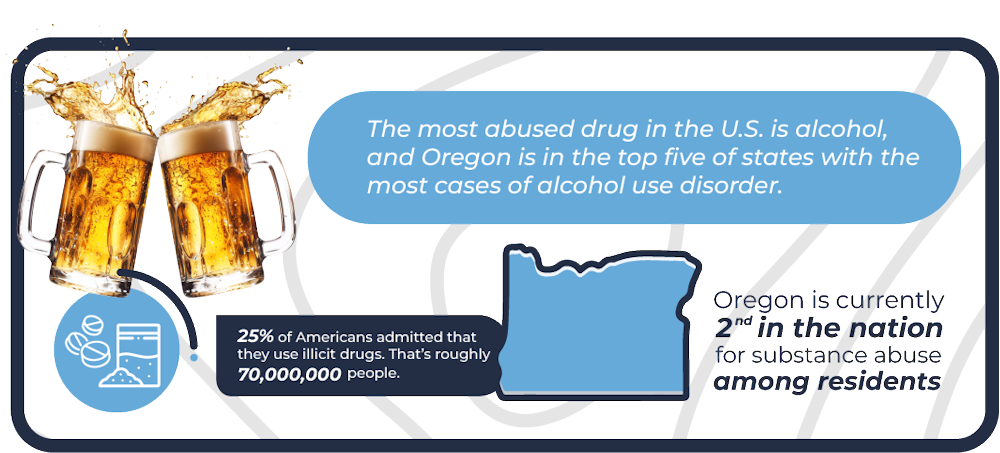
25%
of Americans use illicit drugs (SAMHSA National Survey on Drug Use)
#2
Oregon ranks 2nd in the nation for substance abuse (State of Mental Health in America Report)
Healing Begins Here
Residential Treatment Program in Oregon
Our Portland residential program offers comprehensive care for both drug and alcohol rehab. Individuals can focus their entire attention on healing and returning to wellness. Distractions, triggers, and stressors are all removed. Working alongside counselors, therapists, and other addiction treatment professionals, a customized plan can be developed to identify and meet every person’s recovery goals.
Typically, inpatient treatment lasts for 30 days. In some cases, it can take longer to ensure the patient receives complete care. We offer 60-day and 90-day treatment options as well for those who benefit from extended structured support.
Outpatient Addiction Treatment Programs
| Level | Level Description |
|---|---|
| Level 0.5 | Early Intervention |
| Level I | Outpatient Services |
| Level II | Intensive Outpatient / Partial Hospitalization Services |
| Level III | Residential / Inpatient Services ✓ Offered at Crestview |
| Level IV | Medically-Managed Intensive Inpatient Services |
Our outpatient services include partial hospitalization, intensive outpatient, and IOP for mental health.
A partial hospitalization program (PHP) is a useful step in addiction recovery. Many people who enter addiction treatment programs need PHP once the acute withdrawal phase is over. While in the partial hospitalization level of care, you will be able to focus on your recovery without the stressors from the outside world.
Medication management is a part of the comprehensive addiction treatment services offered at this level, ensuring that clients receive the necessary medication assistance as part of their overall wellness and treatment plan.
Once you have completed the partial hospitalization program, you will be able to transition to the outpatient treatment program, where you can continue to get the treatment you need while integrating back into daily life. The support you need will be there through Crestview Recovery to help you navigate your newfound sobriety.
Intensive outpatient treatment for addiction is a comprehensive program that provides in-depth care without requiring a residential stay. It begins with an assessment to develop a personalized treatment plan.
The program includes individual therapy to address personal issues, group therapy for peer support, and family therapy to improve communication. Educational workshops cover addiction, coping strategies, and relapse prevention, while skill-building activities enhance life skills and emotional regulation.
Medical support is available for medication management and treating co-occurring conditions. Frequent progress reviews ensure accountability. Patients typically attend multiple sessions weekly, balancing rigorous treatment with daily responsibilities — making IOP well-suited to those who need to maintain work, school, or family commitments during treatment.
Crestview Recovery offers a Telehealth Intensive Outpatient Program for clients who are unable to attend in-person sessions due to distance, transportation, work schedules, or other circumstances. The Telehealth IOP delivers the same evidence-based curriculum as our in-person IOP — individual therapy, group sessions, and psychoeducational support — through a secure, HIPAA-compliant video platform.
Telehealth IOP is appropriate for clients who have completed a higher level of care and are transitioning to a flexible outpatient format, as well as for those whose clinical assessment indicates that a virtual format meets their treatment needs. All you need is a private space and a smartphone, tablet, or computer with a reliable internet connection.
Crestview Recovery is one of the few rehab facilities in the Portland area that are licensed to provide mental health treatment. Our intensive outpatient program for mental health offers structured treatment plans designed to support individuals — including young adults — experiencing significant emotional or psychological challenges, while allowing them to maintain their daily routines.
This program provides therapy sessions (both individual and group), medication management, and psychoeducational support for conditions including anxiety, depression, PTSD, and more.
Crestview Recovery offers a comprehensive partial hospitalization program for mental health. Our PHP provides a higher level of care than traditional outpatient therapy while allowing clients to return home at the end of each day. This program is ideal for those experiencing conditions like anxiety, depression, PTSD, and more, and it includes a combination of intensive therapy sessions, medication management, and psychoeducational support. The structure of PHP at Crestview Recovery is tailored to help individuals regain stability and progress toward long-term recovery, while maintaining their daily lives.
Call us 24/7 at (866) 262-0531 or verify your insurance online in minutes.
Mental Health Treatment
- Attention-deficit hyperactivity disorder
- Anxiety disorder
- Bipolar disorder
- Depressive disorder
- Panic disorder
- Psychiatric disorder
- Post-traumatic stress disorder
Our program provides a multifaceted approach, incorporating individual therapy, group sessions, and medication management to ensure personalized care for each patient. Our team of highly trained professionals — including psychiatrists, psychologists, and licensed therapists — collaborates to create treatment plans tailored to each individual, emphasizing holistic healing and long-term recovery.
We integrate evidence-based therapies such as cognitive-behavioral therapy (CBT), dialectical behavior therapy (DBT), and trauma-focused therapy, equipping our patients with the tools and support they need to navigate their mental health journeys.
Dual Diagnosis Program
Co-occurring conditions we treat alongside addiction include anxiety, depression, PTSD, ADHD, bipolar disorder, and other psychiatric disorders. Rather than treating these conditions separately, our integrated approach ensures every aspect of a client’s wellbeing is addressed within a single, coordinated plan.

Addiction Therapy Programs
Individual therapy at Crestview Recovery provides clients with one-on-one sessions with a licensed therapist, focusing on personalized treatment plans that address specific mental health and addiction issues. This approach allows clients to explore their unique challenges and develop coping strategies tailored to their individual needs.
Facilitated by a trained therapist, group therapy offers a supportive environment where clients can share their experiences and learn from others facing similar challenges. These sessions help build a sense of community and foster peer support — essential components in the recovery process.
Family therapy is crucial in addressing the impact of addiction on the entire family and promoting a supportive home environment. This therapy involves the client and their family members in joint sessions aimed at improving communication, resolving conflicts, and strengthening relationships. Research consistently shows that family involvement improves long-term recovery outcomes.
Cognitive-behavioral therapy (CBT) is an evidence-based approach that helps clients identify and change negative thought patterns and behaviors. Through CBT, clients develop practical skills to manage triggers, reduce relapse risk, and improve overall mental health.
Dialectical Behavior Therapy (DBT) combines cognitive-behavioral techniques with mindfulness practices to help clients regulate emotions, tolerate distress, and improve interpersonal relationships. DBT is particularly effective for individuals struggling with intense emotions and self-destructive behaviors.
Trauma therapy focuses on addressing and healing the psychological and emotional impacts of traumatic experiences. This therapy helps clients process their trauma in a safe environment, reducing symptoms of PTSD and promoting long-term recovery.
Non-traditional treatment methods such as yoga, meditation, and acupuncture support overall well-being through holistic therapy. By addressing the connection between mind, body, and spirit, holistic therapy enhances the recovery journey and improves quality of life.
Aftercare Options for a Lasting Recovery
- Give you a venue to develop positive, sober friendships
- Provide support and motivation to help you maintain your sobriety plan
- Reduce stress and anxiety by giving you opportunities to speak with others who understand your situation

Sober Living Housing in Portland
Sober living also provides structure and accountability. Many individuals come out of treatment needing to re-establish daily routines and self-care habits that addiction had displaced. Sober living allows individuals to re-learn that responsibility while also discovering the importance of mutual support.
Specialized Programs
Our women’s rehab program offers specialized addiction treatment services tailored to the unique needs of women, incorporating group therapy, peer services, and relapse prevention strategies to support their recovery journey.
The men’s rehab program provides comprehensive substance abuse treatment, including both inpatient and outpatient options, medication management, and withdrawal management to address the specific challenges men face in their recovery process.
Our young adult rehab program focuses on the unique substance use and mental health challenges of young adults, offering a full continuum of care that includes counseling, education, and supportive resources to help them develop healthy coping tools.
The senior rehab program at Crestview Recovery is designed for older adults struggling with addiction, providing age-appropriate treatment services including medication management and physical health support to ensure a safe and effective recovery journey.
Our LGBTQIA+ specialty program offers a safe and inclusive environment that addresses the specific needs and challenges of LGBTQIA+ individuals through tailored addiction treatment programs, peer support, and community recovery resources.
We Accept Most Insurance
If your plan is not listed, please call us — we can review your coverage and help identify the right resources. Insurance verification is available online at crestviewrecovery.com/insurance-verification.
Frequently Asked Questions
The right level of care depends on the severity of your addiction, your living situation, work or family obligations, and whether you have co-occurring mental health conditions. When you contact Crestview, our clinical team will conduct a thorough assessment and recommend the level of care that gives you the best chance of lasting recovery. Many clients begin at a higher level of care and step down as they progress — this transition is a planned and supported part of the process.
It depends on the program. Residential treatment requires a full-time commitment, so working or attending school during this phase is generally not possible. However, the Intensive Outpatient Program (IOP), Telehealth IOP, and standard Outpatient Program are specifically designed to be compatible with work, school, and family responsibilities. Sessions are scheduled multiple days per week at times that allow clients to maintain their daily routines.
Yes. Crestview Recovery holds Joint Commission accreditation and LegitScript certification — both recognized standards of quality and ethical practice in behavioral health care. Our clinical team includes licensed therapists, psychiatrists, psychologists, and addiction medicine physicians. Crestview is also one of the few facilities in the Portland area licensed to provide mental health treatment alongside addiction care.
Relapse is a recognized part of the recovery process for many people — it is not a sign of failure, and it does not mean treatment did not work. If you experience a relapse after completing a program at Crestview, our alumni network and aftercare resources are there to support you. Depending on your situation, it may be appropriate to re-enter a program at the level of care that best fits your current needs. Our goal is always to get you back on track as quickly and safely as possible.
Yes, and we encourage it. Crestview offers a dedicated family therapy program and family-focused resources designed to help loved ones understand addiction as a disease, improve communication patterns, and rebuild relationships. Research consistently shows that family involvement improves long-term recovery outcomes. Family members are also supported in learning how to create a home environment that promotes and protects sobriety after treatment.