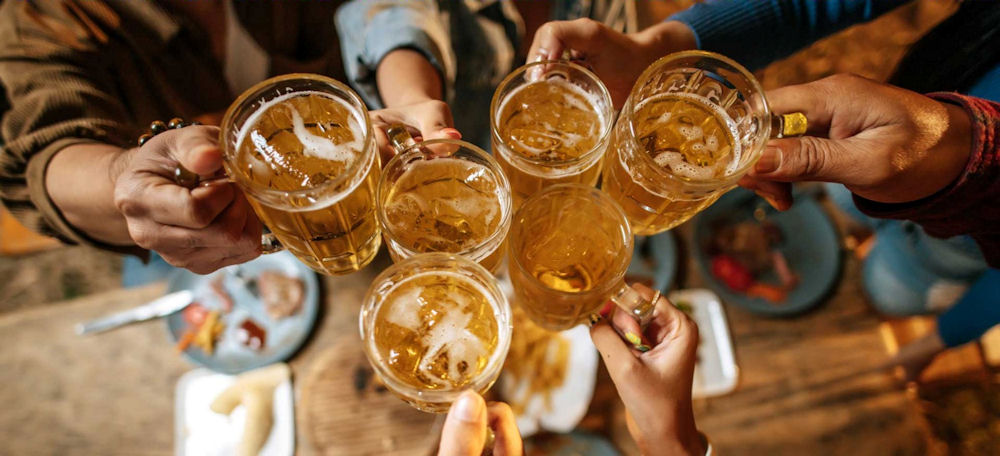
Alcohol’s impact on blood sugar can depend on what you’re drinking, how much, and whether you’ve eaten. While some alcoholic beverages contain carbohydrates that can initially raise blood glucose levels, it’s more common for alcohol to cause dangerous drops in blood sugar by interfering with the liver’s ability to produce glucose.
When these groups overlap, the risk of serious complications increases — especially without understanding how alcohol affects blood sugar. Different types of alcoholic drinks affect blood sugar in varying ways. Beer and sweet cocktails typically contain more carbohydrates and may cause initial blood sugar spikes, while spirits and dry wines generally have less impact. However, all forms of alcohol can lead to delayed hypoglycemia hours after consumption.
At Crestview Recovery, we understand the impact that alcohol use can have on the body. We offer comprehensive alcohol rehab in Portland that addresses both substance use and co-occurring medical conditions.
How Alcohol Affects Blood Sugar Levels
Blood sugar, or glucose, serves as the body’s primary energy source and is tightly regulated by hormones like insulin and glucagon. Your liver keeps blood sugar stable by releasing stored glucose when levels drop. Alcohol disrupts this natural regulatory process.
Alcohol affects blood sugar in two phases:
- Initial Phase: Alcoholic beverages containing carbohydrates can cause a temporary spike in blood glucose shortly after drinking.
- Secondary Phase: As the liver focuses on breaking down alcohol, it stops releasing glucose into the bloodstream, leading to hypoglycemia.
The effects can occur anywhere from 1 to 24 hours after consumption. This delayed reaction explains why blood sugar often drops during sleep, making it especially dangerous.
Does Alcohol Raise or Lower Blood Sugar?
Alcohol can raise or lower blood sugar depending on the situation. Research reveals a stark distinction between consumption levels. Moderate alcohol consumption does not directly raise blood sugar. However, heavy drinking can impair blood sugar regulation and increase risk of type 2 diabetes.
Several factors can influence how alcohol affects blood sugar:
- Type of alcohol: Beer and mixed drinks contain higher carbohydrates compared to spirits.
- Amount consumed: Light drinking versus heavy drinking can produce different metabolic responses.
- Food intake: Drinking on an empty stomach increases hypoglycemia risk.
- Individual factors: Diabetes status, medications, body weight, and liver health can influence how alcohol consumption influences a person’s blood sugar.
Different Types of Alcohol and Blood Sugar

Beer contains maltose and other carbohydrates that can raise blood sugar shortly after consumption. A typical 12-ounce regular beer has about 10-15 grams of carbs. The carbs cause an initial spike. However, alcohol also stops the liver from releasing stored glucose, which can cause low blood sugar hours later.
Dry wines have fewer carbs than beer, typically 4 grams per 5-ounce serving. Sweet wines and dessert wines can contain significantly more sugar. But wine and spirits tend to have less impact on blood sugar than beer or sugary cocktails.
Pure distilled spirits like vodka, gin, whiskey, and rum have no carbs or sugar. These drinks don’t directly raise blood sugar, but may affect glucose indirectly by blocking the liver’s glucose production.
Cocktails often pack added sugar from mixers, syrups, and juices. A standard margarita can contain 20-30 grams of sugar, causing rapid blood glucose spikes.
| Beverage Type | Approx. Carbs per Serving | Immediate Effect | Delayed Risk |
|---|---|---|---|
| Beer | 10-15g | Moderate Rise | Hypoglycemia |
| Dry Wine | 3-4g | Minimal Rise | Hypoglycemia |
| Distilled Spirits | 0g | None | High Hypoglycemia Risk |
| Sweet Cocktails | 20-30g+ | Rapid Spike | Hypoglycemia |
The Danger of Alcohol-Induced Hypoglycemia
Hypoglycemia happens when blood sugar falls below 70 mg/dL. The liver prioritizes breaking down alcohol instead of keeping blood glucose stable. Alcohol-induced hypoglycemia usually hits 6 to 24 hours after drinking. People with diabetes or those taking blood sugar medications face higher risk.
Symptoms include:
- Physical symptoms: Shakiness, sweating, rapid heartbeat, dizziness
- Cognitive symptoms: Confusion, difficulty concentrating, irritability
- Severe symptoms: Loss of consciousness, seizures
How Does Alcohol Affect Diabetes?
People with Type 1 diabetes depend completely on insulin injections to manage blood sugar. Alcohol messes with insulin absorption and use, making glucose control harder to predict. The risk of low blood sugar jumps when drinking, especially on an empty stomach.
Heavy drinking makes insulin resistance worse over time. Research indicates women and men respond differently to alcohol consumption; moderate drinking reduced fasting insulin levels specifically in women, but these benefits were not observed in men.
Insulin and sulfonylureas have the highest risk for severe low blood sugar when mixed with alcohol. Metformin combined with heavy alcohol use can lead to lactic acidosis.
Signs Your Blood Sugar is Affected by Alcohol
Physical Symptoms to Watch
Shakiness, sweating, and confusion can signal either low blood sugar or alcohol’s direct effects on the brain. Blood glucose testing becomes essential during and after drinking to distinguish between intoxication and dangerous glucose levels.
When to Seek Medical Help
Severe confusion, vomiting, difficulty breathing, or loss of consciousness require immediate medical attention. Medical identification bracelets help emergency responders provide appropriate treatment.
Long-Term Effects of Alcohol on Blood Sugar Regulation
Heavy drinking over months or years damages organs that control blood glucose levels. Chronic alcohol use can inflame the pancreas, reducing its ability to make insulin. Heavy consumption causes fat buildup in liver tissue, interfering with glucose regulation.
Research-based guidelines recommend limits for alcohol consumption. For men, the limit is no more than four drinks on any single day. For women, it is no more than three. Exceeding these limits can increase Type 2 diabetes risk, along with other metabolic disorders.
Safe Drinking Guidelines for Blood Sugar Management
Eating a balanced meal containing protein, healthy fats, and complex carbohydrates before drinking helps to slow alcohol absorption. Checking blood sugar before consuming alcohol helps to establish a baseline. Carrying glucose tablets can help address potential hypoglycemia episodes.
Men can consume no more than four drinks on any single day for best health effects, while women can have no more than three. Alternating alcoholic beverages with water prevents dehydration. Wearing medical identification alerts emergency responders to your diabetes status, in case you end up needing medical attention.
Checking blood sugar before bed and upon waking can help identify delayed hypoglycemia. Set an alarm to test glucose levels during the night, so you can catch and address dangerous drops.
Alcohol Use Disorder and Health Complications
Alcohol use disorder creates compounding health risks when combined with diabetes or prediabetes. The condition damages the liver’s ability to maintain stable blood glucose while increasing insulin resistance through fat accumulation. Crestview Recovery addresses these challenges through residential treatment programs.
When Alcohol Use Becomes a Problem

Signs of alcohol use disorder include ignoring blood sugar monitoring, skipping medications, and drinking despite health consequences. Changes in alcohol consumption patterns can have subsequent effects on type 2 diabetes risk. Crestview Recovery offers outpatient treatment for those seeking help with alcohol use disorder, while still allowing them to live their lives.
Managing Health Conditions in Recovery
When individuals stop drinking alcohol, liver function begins to improve. This allows for more stable blood sugar regulation. Treatment programs address both addiction and mental health conditions through coordinated care, which can support overall improved care for oneself. Long-term support through aftercare programs helps to maintain progress.
Receive Treatment for Alcohol Use Disorder at Crestview Recovery
Heavy alcohol consumption can impair glucose regulation and increase type 2 diabetes risk. Treatment programs for alcohol use disorder can address both the physical effects of excessive alcohol consumption and behavioral patterns that may complicate health management. Medical supervision during alcohol detox helps to protect individuals from dangerous blood sugar fluctuations during withdrawal.
You don’t have to live in fear and constant vigilance for your health. There is hope for recovery from alcohol use disorder, and our team is prepared to help you. Contact Crestview Recovery today to learn about treatment options.
FAQs about Alcohol and Blood Sugar
It’s important to listen to the recommendations of your personal medical team above all. But people with diabetes can potentially drink alcohol in moderation with proper precautions. Eating food before drinking can help prevent dangerous blood sugar drops. Monitoring glucose levels provides critical safety information.
Consuming 15-20 grams of fast-acting carbohydrates can raise blood sugar quickly. Stopping alcohol intake prevents further glucose drops.
Testing before bed identifies potential overnight hypoglycemia risk. Checking levels every few hours during consumption tracks changes in real time. Questions about when to test blood sugar should be directed to a medical professional familiar with your situation, so that answers are as relevant as possible.
https://www.niddk.nih.gov/health-information/diabetes/overview/preventing-problems/low-blood-glucose-hypoglycemia
https://www.niaaa.nih.gov/publications/brochures-and-fact-sheets/alcohol-facts-and-statistics
https://www.niaaa.nih.gov/alcohols-effects-health/alcohols-effects-body
https://www.ncbi.nlm.nih.gov/pmc/articles/PMC6761899/