If you’re a woman struggling with anxiety, you’re not alone. According to the National Institute of Mental Health, women experience anxiety disorders at nearly twice the rate of men. This gender gap reveals genuine differences in how anxiety affects women. It can manifest through hormonal cycles, social expectations, or juggling daily responsibilities.
In Oregon, the statistics paint an even more concerning picture. According to DHM Research, 35% of Oregon adults reported having an anxiety or depression disorder in 2023 (compared to the national average of 32%). Among Oregonians experiencing moderate or severe anxiety, women consistently show higher prevalence rates than men. The 2025 Oregon Behavioral Health Initiatives Report found that 42% of individuals with mental health issues had anxiety disorders, with women disproportionately affected.
Many women also face co-occurring conditions, including substance use disorders, that require specialized dual diagnosis treatment approaches. At Crestview Recovery in Portland, Oregon, we recognize these unique factors. We provide individualized care for both mental health and addiction.
Signs of Anxiety in Women
Anxiety symptoms show up in both body and mind, often in ways that differ from men’s experiences. Research from the National Center for Biotechnology Information confirms that anxiety disorders affect 30-33% of women compared to just 15-22% of men.
The physical symptoms of anxiety can feel overwhelming and sometimes feel like other health conditions. A person might experience:
- Rapid heartbeat: The heart may race or pound, even when the person’s sitting still
- Sweating: Excessive perspiration that occurs without physical exertion
- Trembling: Shaking hands, legs, or body that the person can’t control
- Shortness of breath: Feeling like you can’t get enough air or aren’t able take a deep breath
- Muscle tension: Persistent tightness in the neck, shoulders, or back
- Fatigue: Feeling exhausted even after adequate rest
- Headaches: Frequent tension headaches or migraines
- Digestive issues: Upset stomach, nausea, or irritable bowel symptoms
Physical symptoms often worsen during hormonal shifts, such as during menstruation, pregnancy, or menopause. Women will likely feel these symptoms more intensely than men, especially during reproductive transitions.
The emotional signs of anxiety typically show up as constant worry and shifts in how a person behaves. Women tend to turn anxiety inward, leading to emotional symptoms like:
- Excessive worry: Uncontrollable concern about everyday situations that seems disproportionate to the actual risk.
- Irritability: Becoming easily frustrated or angered by minor issues.
- Restlessness: Feeling “on edge” or unable to relax, even in comfortable settings.
- Difficulty concentrating: Trouble focusing on tasks or experiencing “brain fog.”
- Sleep disturbances: Problems falling asleep, staying asleep, or waking too early.
- Avoidance behaviors: Steering clear of situations that might trigger anxiety.
- Perfectionism: Setting unrealistically high standards and being overly self-critical.
Women typically get caught in thought loops more than men do, replaying worries and negative feelings over and over. This mental habit can make anxiety worse and often requires professional help to break.
Research from the National Center for Biotechnology Information shows that women often struggle with depression disorders alongside anxiety. The Substance Abuse and Mental Health Services Administration has found that anxiety creates more day-to-day difficulties for women than for men, especially among white and Hispanic women.
Anxiety sensitivity (the tendency to catastrophically interpret physical sensations) is more common in women. Anxiety symptoms can fluctuate with your hormonal cycles, becoming worse before menstruation or during perimenopause. Research shows women experience greater functional impairment from anxiety compared to men, missing more work days and facing more challenges in daily activities.
Why Women Experience More Anxiety Than Men

Women develop anxiety disorders at nearly twice the rate of men. This gender gap stems from multiple interconnected factors that can create unique vulnerability in women.
Research from the National Center for Biotechnology Information confirms that estrogen shifts throughout the menstrual cycle and life stages can directly impact anxiety levels. When estrogen and progesterone levels shift, they change how your brain chemicals work — the very ones that control your mood and stress response.
Genetic factors can contribute to anxiety risk as well. Anxiety disorders run in families, with a family history of anxiety or other mental disorders representing a common cause. These genetic factors interact with hormonal and environmental variables to determine overall anxiety risk.
The social pressures on women are relentless. Society often expects women to be both perfect caregivers and successful professionals. These pressures can be overwhelming. Cultural factors can discourage women from seeking help for anxiety symptoms. Many women also face significant barriers to mental health care access, with cost and provider shortages preventing them from receiving treatment.
Perfectionism and people-pleasing tendencies appear more frequently in women. These traits can increase vulnerability to anxiety disorders by creating unrealistic standards and fear of disappointing others. Research shows that negative affectivity, strongly linked to both anxiety and depressive disorders, occurs more often among girls and adult women across different cultures.
Women process stress differently than men, often using coping styles that can increase anxiety. According to research, women faced with life stressors tend to ruminate about them, repeatedly focusing on worries or negative feelings. Men tend to engage more in active, problem-focused coping strategies that may reduce anxiety symptoms (depending on the problem causing stress).
Trauma exposure also represents a critical risk factor. Women who experience sexual abuse may develop abnormal blood flow in the hippocampus, a brain region involved in emotion processing. Abuse during childhood is associated with changes in brain chemistry and structure that persist into adulthood.
Major life transitions create stress through uncertainty and adjustment demands. These can include:
- Career changes: Starting a new job, changing industries, or facing unemployment.
- Relationship changes: Marriage, divorce, and breakups requiring significant adaptation.
- Parenthood and caregiving: Constant demands from caring for children or aging parents.
- Loss of loved ones: Profound grief through death or separation.
- Health issues: Worry about prognosis and treatment from chronic conditions.
Women frequently manage multiple caregiving roles simultaneously, compounding stress levels. Each transition involves identity shifts and lifestyle adjustments that can overwhelm your coping resources.
According to the National Institute of Mental Health, women experience higher rates of childhood trauma than men. Physical abuse, emotional neglect, and household dysfunction during development can alter brain chemistry, creating lasting vulnerability to anxiety disorders in adulthood.
Domestic violence affects women disproportionately across all demographics. Intimate partner violence creates chronic fear and hypervigilance that persists long after the relationship ends. Sexual assault represents a severe trauma with lasting mental health consequences, with women who experience sexual violence facing increased risk for PTSD symptoms in women and anxiety.
Apart from abuse, chronic stress accumulates over time. This can result from juggling multiple roles, as many women are prone to do. Work demands, family responsibilities, and social obligations create constant pressure that fuels anxiety.
How Hormones Can Affect Anxiety in Women
Women experience significant hormonal fluctuations throughout their lives. According to research, these changes directly affect neurotransmitters in the brain that control anxiety levels.
The menstrual cycle creates predictable hormone changes that repeat every 21 to 35 days. Estrogen rises during the first half of the cycle and drops sharply before menstruation begins. Progesterone increases after ovulation and falls if pregnancy does not occur.
Many women experience premenstrual syndrome in the week before their period starts. Common anxiety symptoms during this time include irritability, tension, restlessness, and difficulty concentrating. The body’s stress response becomes more sensitive when estrogen and progesterone levels decline.
Premenstrual dysphoric disorder (PMDD) represents a severe form of premenstrual anxiety. It affects up to six percent of women, although research is very incomplete on this topic. Women with PMDD experience intense mood changes, panic attacks, and overwhelming anxiety that interferes with work and relationships.
Pregnancy brings dramatic hormone increases as your body prepares to support a developing baby. Estrogen and progesterone levels rise significantly throughout pregnancy and drop rapidly after delivery. These shifts can trigger or worsen anxiety symptoms in vulnerable women.
Pregnancy anxiety goes beyond normal concerns about childbirth or parenting. A woman may experience constant worry about the baby’s health, intrusive thoughts about harm, or panic attacks. Postpartum anxiety affects up to 15 percent of new mothers and differs from postpartum depression.
Perimenopause begins several years before menopause as ovarian function gradually declines. Hormone levels can fluctuate unpredictably during this transition, creating irregular menstrual cycles and physical symptoms. Declining estrogen can disrupt the brain’s mood regulation systems and stress response.
Research strongly links perimenopausal hot flashes to increased anxiety symptoms. Women who experience vasomotor symptoms like hot flashes and night sweats have higher odds of developing anxiety across all stages of the menopausal transition. Some women experience anxiety for the first time during menopause, with sleep disturbances from night sweats compounding their symptoms.
When is it Time to Seek Professional Help for Anxiety?
Anxiety becomes a concern when symptoms persist and interfere with work, relationships, or daily activities. 35% of adults in Oregon report having an anxiety or depression disorder, which exceeds the national average of 32%. Professional help becomes necessary when anxiety symptoms create significant disruptions.
Any thoughts of self-harm require immediate attention. Other anxiety symptoms indicate immediate professional intervention, such as:
- Panic attacks: Sudden, intense fear with physical symptoms like rapid heartbeat and difficulty breathing.
- Agoraphobia: Anxiety about unfamiliar settings and loss of control, occasionally so severe a person avoids public spaces or leaving home.
- Substance use: Using alcohol or drugs to manage anxiety symptoms.
- Persistent symptoms: Symptoms lasting beyond two weeks without improvement.
- Significant impairment: Declining performance at work, school, or in relationships.
Specialized Anxiety Treatment Programs for Women
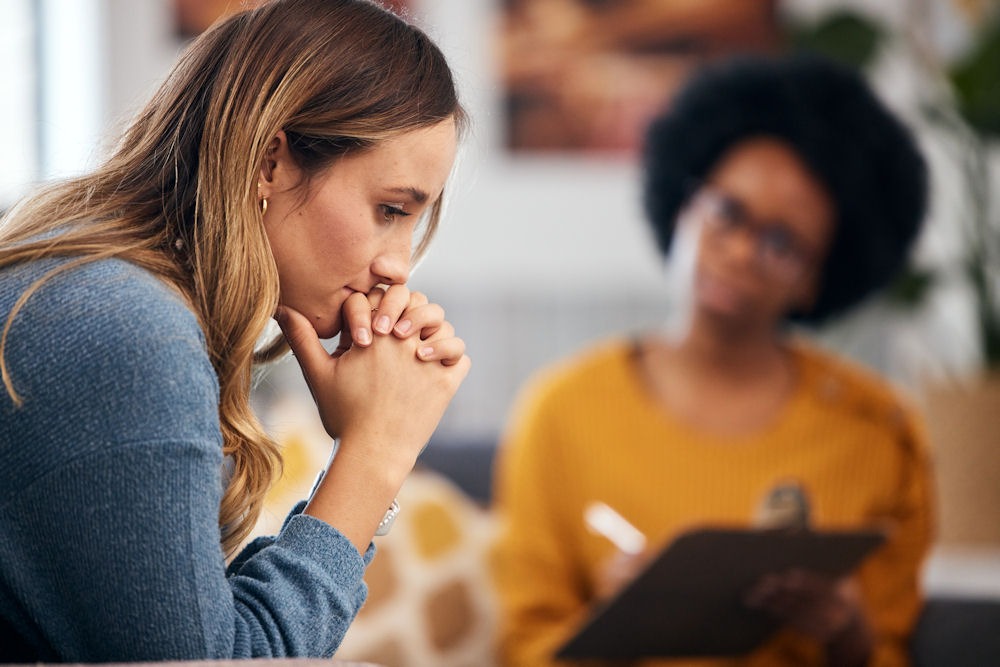
Women-only treatment programs are designed to address the biological, psychological, and social factors that contribute to anxiety in women. Women-only environments provide safety and comfort for discussing experiences that may be difficult to share in mixed-gender settings.
Anxiety and substance use disorders frequently occur together in women. According to the 2025 Oregon Behavioral Health Initiatives Report, 42% of individuals with mental health issues have anxiety disorders, with many women having used alcohol or drugs to manage anxiety symptoms. Integrated treatment addresses both conditions simultaneously rather than treating them as separate issues.
Residential vs. Outpatient Treatment Options
Residential treatment provides 24-hour support and structure for women with severe anxiety symptoms or safety concerns. The structured environment helps you establish routines that support anxiety management. Outpatient programs offer flexibility for women who have work or family commitments they cannot leave.
Many women progress through different levels of care as they recover. Starting with residential treatment provides intensive support during the most challenging phase. Transitioning to outpatient care allows women to practice skills in their daily environment while maintaining professional support.
Get Help for Anxiety at Crestview Recovery in Portland, Oregon
Oregon has one of the highest mental illness prevalence rates in the United States, with 30% of adults reporting mental health challenges. Women experience these challenges at higher rates than men across the state.
Here at Crestview Recovery, our programs provide individualized care plans that address the biological, psychological, and social factors contributing to anxiety in women. Our anxiety treatment programs include evidence-based therapies delivered in a supportive environment. The professional team understands how hormonal changes, trauma history, and life stressors affect women’s mental health.
If you’re struggling with anxiety and seeking compassionate, specialized care, Crestview Recovery is here to help. Our women’s treatment programs in Portland, Oregon provide individualized therapy and support services tailored to address the unique challenges women face with anxiety and related conditions. Contact us today to learn more about how we can support your journey toward better mental health and lasting recovery.
Frequently Asked Questions about Anxiety in Women
Most women begin experiencing improvement in anxiety symptoms within six weeks of starting treatment, though full benefits may take 3 to 6 months depending on severity and treatment approach.
Yes, with proper treatment. Many women achieve full recovery from anxiety disorders and learn effective coping strategies to manage symptoms long-term.
Use simple, clear language to describe your symptoms and how they affect you. Provide them educational resources about anxiety in women, and consider inviting them to a therapy session.
Some anxiety medications are safe during pregnancy, while others require adjustment. Discuss family planning with your healthcare provider to develop an appropriate treatment plan.