At Crestview Recovery in Portland, Oregon, we begin planning your aftercare before you leave treatment. Our clinical team works with you to create a discharge plan that reflects your specific needs, living situation, and long-term recovery goals — so you leave with clarity, confidence, and real support in place. Whether you need sober living, continued therapy, medication management, or community connection, we are with you every step of the way.

Healing Begins Here
Why Is Aftercare Necessary After Rehab?
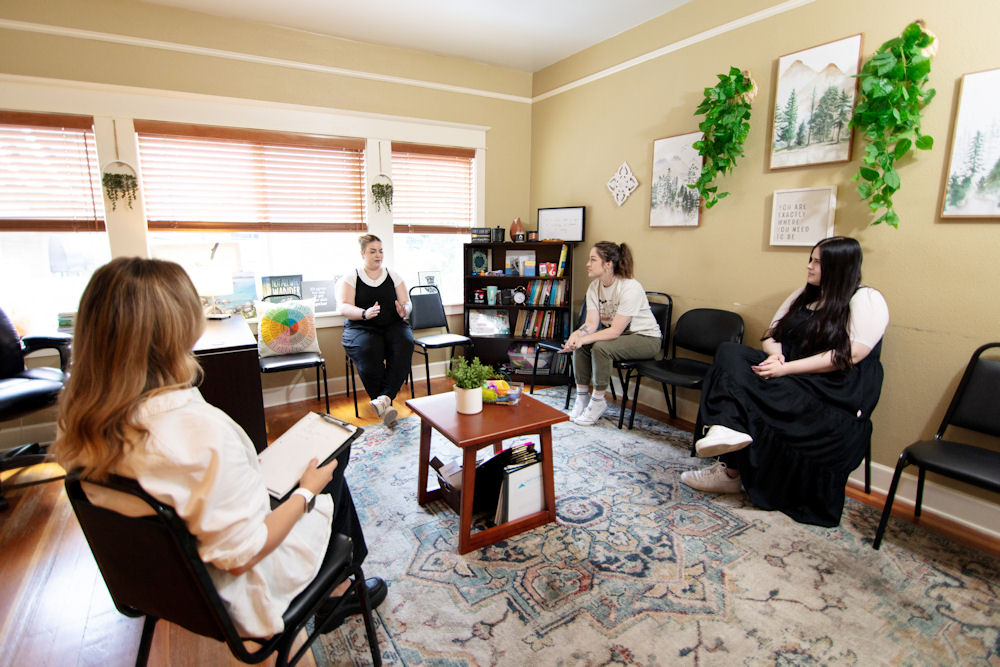
The goal of treatment is to help a person build a sturdy foundation for recovery — to identify the root causes of their substance use, understand their triggers, and develop the tools to manage cravings and challenges without returning to old patterns. Aftercare extends that foundation into real life, providing continued structure and support as clients face the situations and stressors that exist outside of a treatment setting.
Some of the core therapy modalities that clients develop during treatment — and continue to lean on through aftercare — include:
- Individual therapy — one-on-one work to address personal triggers and maintain emotional health
- Group therapy — peer support and shared accountability
- Cognitive-Behavioral Therapy (CBT) — reshaping thought patterns that fuel addictive behavior
- Motivational Interviewing — strengthening internal motivation for sustained sobriety
- Dialectical Behavior Therapy (DBT) — emotional regulation and interpersonal effectiveness skills
- Trauma therapy — processing unresolved trauma that underlies substance use
Aftercare and Sober Living Options in Oregon
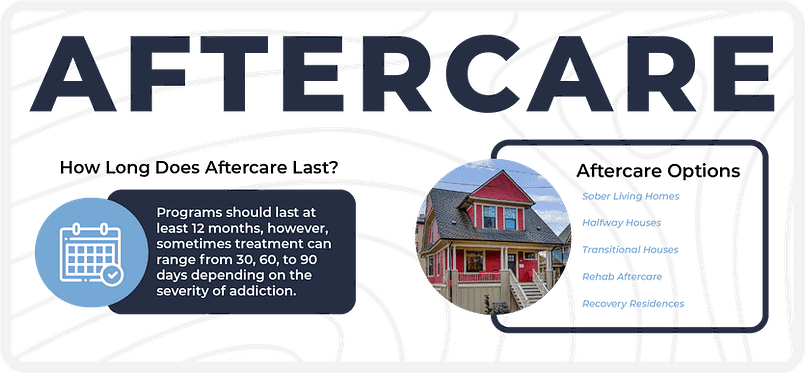
Aftercare and sober living options in Oregon typically include:
Group homes for individuals in recovery from addiction. Most are privately owned and operated, providing a substance-free environment with house rules that reinforce healthy habits, peer accountability, and continued sobriety. Residents typically share responsibilities and support one another’s recovery progress.
Halfway houses are often government-funded transitional housing facilities that provide structure and support for individuals moving from treatment back into society. They offer a supervised environment with a focus on maintaining sobriety and gradually rebuilding independence.
Sometimes called sober living programs, transitional housing facilities offer varying lengths of stay and levels of support based on individual need. They serve as a practical stepping stone for those not yet ready — or safe — to return home.
Some treatment centers, including Crestview Recovery, offer direct connections to aftercare residences for clients completing residential treatment. These arrangements allow for a seamless transition with continuity of care and an established clinical team already familiar with the client’s history.
Also known as sober living homes or transitional living arrangements, recovery residences are step-down options from more intensive treatment that offer a safe, substance-free community and ongoing peer support.
For individuals whose home environment poses a high risk of relapse — due to unsupportive relationships, proximity to substances, or chronic stressors — a sober living option paired with outpatient treatment can make the transition back to normal life significantly safer and more sustainable.
The Benefits of Aftercare Support

Structure and Routine
One of the most underrated aspects of early recovery is the importance of daily structure. Aftercare programs provide regular schedules, expectations, and responsibilities that help prevent the idle time and drift that often precede relapse.

Supportive Community
One of the most underrated aspects of early recovery is the importance of daily structure. Aftercare programs provide regular schedules, expectations, and responsibilities that help prevent the idle time and drift that often precede relapse.

Accountability
Many aftercare programs include clear expectations around sobriety, meeting attendance, and therapeutic participation. This accountability structure provides an important external check during a period when internal self-discipline is still being strengthened.

Safe Environment
A substance-free environment is not a luxury in early recovery — it is a clinical necessity. Aftercare and sober living programs provide a controlled, safe space where the temptations and triggers of an unsupported home environment are minimized.

Transition Assistance
Beyond sobriety support, aftercare programs can assist with the practical dimensions of reintegration: finding employment, securing stable housing, rebuilding financial stability, and reconnecting with family. This holistic support addresses the real-world barriers that threaten recovery.

Continued Therapy and Counseling
Many aftercare programs continue to provide therapy, counseling, and psychiatric services. This ongoing clinical support is one of the strongest predictors of sustained recovery, particularly for individuals with co-occurring mental health conditions.
Aftercare for Individuals with Dual Diagnosis
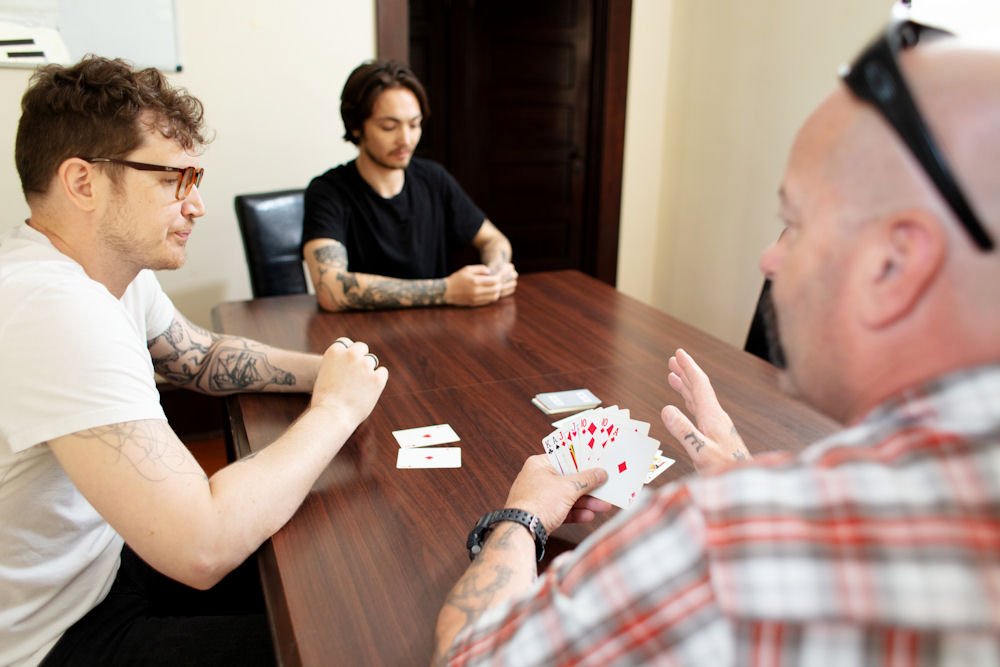
During early sobriety, mental health symptoms often intensify before they stabilize. The brain is recalibrating its chemistry, and without the substance that was previously masking or managing emotional pain, feelings of anxiety, depression, or mood instability can surge. Continuing to see a therapist or counselor post-treatment provides the monitoring and intervention needed to navigate this period safely.
Some individuals in recovery require ongoing psychiatric medication to manage their mental health condition. Others may be able to taper and eventually discontinue medications as brain chemistry stabilizes over months of sobriety. For those with more complex conditions — such as bipolar disorder, schizophrenia, or severe PTSD — ongoing medication management, regular clinical check-ins, and access to residential or PHP-level support may be necessary for the long term.
At Crestview Recovery, our aftercare planning always accounts for the full clinical picture — including any co-occurring diagnoses — to ensure clients leave with the right level of ongoing support in place.
Who Qualifies for Aftercare Programs?

Completion of a Primary Treatment Program
Most aftercare programs require that individuals have completed a recognized primary treatment program, such as detox, residential treatment, or an intensive outpatient program. Crestview Recovery’s aftercare planning is integrated into the treatment process, so clients leave with a plan already in place.

Commitment to Sobriety
Individuals are expected to demonstrate a genuine commitment to maintaining sobriety, which typically includes following house rules, participating in therapy or support meetings, and abstaining from substance use.

Age and Gender
Individuals are expected to demonstrate a genuine commitment to maintaining sobriety, which typically includes following house rules, participating in therapy or support meetings, and abstaining from substance use.

Ability to Pay
Costs vary widely across aftercare programs. Some programs receive government funding or nonprofit support and offer reduced-cost or free services; others require private pay. Insurance coverage may also apply. Our admissions team can help you explore your options and verify coverage before your discharge.

Health and Clinical Status
Depending on the level of support a program provides, some aftercare options may require that individuals are in medically and psychiatrically stable condition. Our clinical team factors this into every discharge plan.
How Long Does Aftercare Last?
The most intensive outpatient step-down programs, such as PHP (Partial Hospitalization Programs), may involve five days per week of structured programming. From there, clients may move through IOP, standard outpatient treatment, and eventually alumni or peer support groups — each step representing greater independence and confidence in recovery.
At Crestview Recovery, we do not rush the aftercare timeline. We work with each client to build a discharge and continuing care plan that matches their clinical needs, personal circumstances, and recovery goals — because the goal is not just to complete treatment, but to build a life that supports lasting sobriety.
Aftercare Program FAQ
Crestview Recovery’s aftercare planning is fully integrated into the treatment process. Before discharge, our clinical team works with each client to develop a personalized plan that may include connections to sober living homes, referrals to outpatient or IOP treatment, continued individual and group therapy, medication management follow-up, and community support resources. No client leaves without a clear, actionable plan in place.
Aftercare and sober living are related but distinct concepts. Aftercare refers broadly to any continued support, services, or programming that follows primary treatment — including ongoing therapy, outpatient programming, medication management, and alumni support. Sober living is a specific type of aftercare that involves living in a structured, substance-free residential setting alongside peers in recovery. Many individuals benefit from both sober living and continued clinical aftercare at the same time.
Yes — length of primary treatment is not a substitute for aftercare. Even after completing a long-term residential program, the transition back to everyday life introduces new stressors and triggers that require ongoing support. Research consistently shows that individuals who engage with aftercare programs — regardless of how long their primary treatment was — have significantly better long-term recovery outcomes than those who do not.
Insurance coverage for aftercare varies by plan and by the specific type of service. Clinical aftercare services such as outpatient therapy, IOP, and medication management are typically covered as mental health or substance use disorder benefits under the Affordable Care Act. Sober living homes, however, are usually not covered by insurance as they are classified as housing rather than clinical services. Crestview Recovery’s admissions team can help you understand your coverage and explore your options.
A relapse during aftercare does not mean treatment has failed — it means the recovery plan needs to be adjusted. Relapse is a recognized part of the recovery process for many people, and the appropriate response is to return to care at a clinically appropriate level, not to start over from scratch or feel shame. If a relapse occurs, Crestview Recovery’s team can help assess what happened, update the care plan, and reconnect you with the support needed to get back on track. We are always here — call us 888-910-9526.
Begin Your Aftercare Journey with Crestview Recovery
Whether you are just beginning to explore recovery options or are ready to execute a post-rehab aftercare plan, our team is here to help. Contact Crestview Recovery in Portland, Oregon today at 888-910-9526 or reach out online. We are available 24 hours a day.