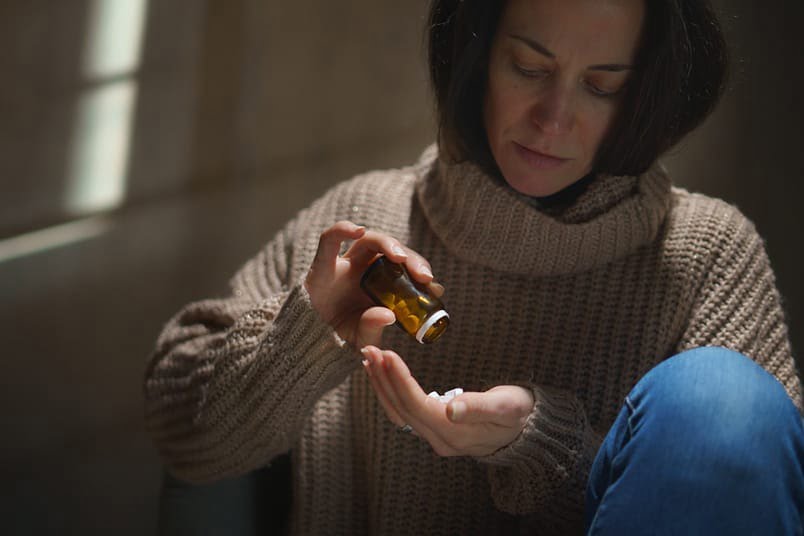


How Long Do Prescription Drugs Stay in Your System?
How Long Do Prescription Drugs Stay in Your System? Read More »


So you’ve made it to Step 9 of the 12 Steps in Alcoholics Anonymous. Congratulations! You should feel proud of the progress you’ve made so far! Now comes one of the most challenging, yet rewarding, parts of the program: making amends. Step 9 of Alcoholics Anonymous is a watershed moment on the road to recovery, where individuals embark on a journey of self-discovery, healing, and transformation. To complete this step, you must confront your past and present. After taking stock of issues and conflicts you may have had, it’s time to start making amends to both others and yourself.
You’re committed to your recovery and staying sober, but there’s always a risk of relapse. Relapse is when someone who has made progress in overcoming addiction returns to substance use. It’s a common challenge in recovery, often due to triggers, stress, or a lapse in coping strategies. Knowing the stages of relapse and having a plan in place can help you avoid slipping up. Relapse happens gradually; it’s not usually out of the blue.
You’ve reached a significant milestone by making it to Step 8 in Alcoholics Anonymous. Congratulations on your progress! By now, you’ve done a lot of hard work on yourself. You’ve admitted you have a problem with alcohol; you’ve come to believe in a power greater than yourself; and you’ve made amends for the mistakes of your past. But step 8 is where things get really challenging.
Recovery from addiction is a challenging journey that often requires ongoing support and guidance. While support groups can be a great source of support and guidance, it is not the only way to access support in recovery.
In fact, many people also enlist the services of a sober mentor to help guide them in their recovery process. What exactly is a sober mentor though you may ask? Discover valuable insights about sober mentors, including what they entail, where to find support, and how Crestview Recovery can assist in sustaining your recovery journey post-rehab.
What Does a Sober Mentor Do and How Can I Find One? Read More »

ADHD is not just a childhood issue. It can affect women throughout their lives, but they often face challenges that are not well recognized or supported. Unlike men, women usually get diagnosed with ADHD much later, sometimes in their 30s or 40s. This means they miss out on the benefits of early help and tailored support.
Step 7 of AA, “humbly asked Him to remove our shortcomings,” is a pivotal step where you begin to shed the layers of selfishness and self-centeredness that have built up over the years of active addiction. When you make it to step 7 you’re more than halfway through the steps!
Have you ever felt a burning sensation when you pee after a night of heavy drinking? If so, you may have experienced the unpleasant effects of mixing alcohol and a urinary tract infection. A UTI, as it’s commonly called, refers to an infection in any part of your urinary system. Normally caused by bacteria, a UTI leads to symptoms like a frequent urge to urinate, pain or burning when you pee, and cloudy or bloody urine.
Can Alcohol Cause A Urinary Tract Infection (UTI)? Read More »

The journey to recovery from addiction is a challenging one, but it offers profound opportunities for personal growth and transformation. In the context of Alcoholics Anonymous (AA), one of the most critical steps in this journey is Step 5.
Have you been struggling with depression since getting clean from opioids? You’re not alone. Many people deal with mood changes and even full-blown depression after stopping opioid use. The good news is that, for most people, these symptoms are temporary.
Why is Mixing Muscle Relaxers and Alcohol Dangerous? Read More »