Crestview proudly welcomes people of all gender identities and sexual orientations to our drug addiction rehab center in Portland, Oregon. Our facility offers a specific rehab program for women, providing addiction treatment programs for ladies who are struggling with substance use disorders.
Healing Begins Here
Factors That Lead to Addiction
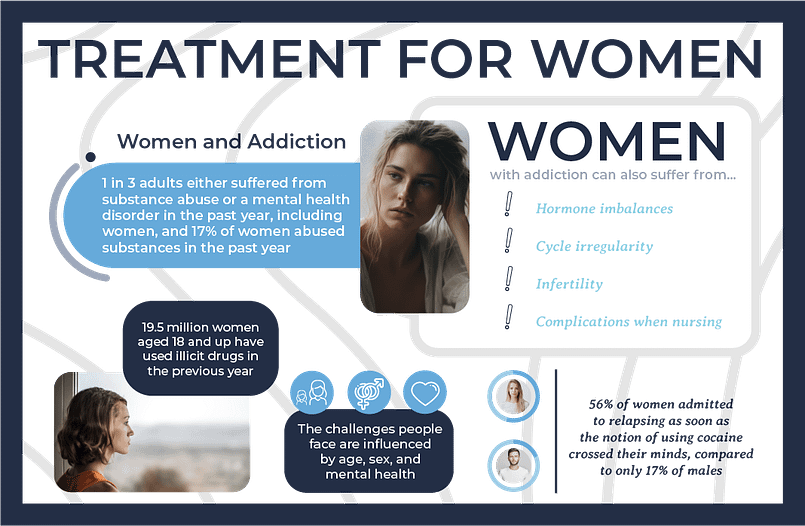
- Biology: Biological components include hormonal influences and the fact that women metabolize certain substances differently than men. Genetics also plays a significant role.
- Mental Health: Psychological issues such as stress, trauma, and co-occurring mental health conditions like depression and anxiety are common triggers for substance use in women, often creating the need for a comprehensive PTSD treatment program.
- Society and Environment: Social aspects can also influence substance use, such as societal and familial expectations, stigma, and the role of women in society. Economic disparities and unequal access to healthcare can further contribute to these challenges.
At Crestview Recovery, our gender-specific treatment for women in Portland, Oregon, provides a safe, empowering space designed around the unique needs of women on the path to lasting recovery. With compassionate care, evidence-based therapies, and a supportive community, we’re here to help you heal with dignity and strength. Call us today or start your journey now to learn how our women’s program can support you or your loved one.

How Addiction Affects Women
Psychologically, many women who struggle with addiction also have co-occurring mental health disorders such as depression or anxiety, which can complicate treatment. Socially, stigma around substance use can be particularly damaging for women, potentially leading to isolation or feelings of shame.
Substance use affects men differently. While men are more likely than women to use almost all types of illicit drugs, the health effects of substance use can be less severe. However, men are more likely to experience legal problems related to substance use, and they can also face unique societal pressures that can exacerbate substance use issues. Despite these differences, it’s crucial to remember that addiction can affect anyone, regardless of gender, and that effective help is available for all who need it.
How Our Rehab Program for Women Can Help You

During our women’s rehab program, you’ll gain many valuable tools for maintaining lifelong results. For starters, therapy is a great opportunity to work through the personal issues that fuel your addiction. During therapy, you can learn simple yet helpful life skills, such as grocery shopping and budgeting, to help make things more manageable after rehab. A counselor can also help you learn to identify your addiction triggers and develop relapse prevention tools.
Our Comprehensive and Compassionate Treatment Approach
- Residential treatment
- Outpatient treatment
- Partial hospitalization program (PHP)
- Intensive outpatient program (IOP)
- Aftercare program
- Sober living
We also offer dual diagnosis treatment in Oregon for those who need support for co-occurring mental health and substance use disorders.
Therapy for Substance Use Disorders
Individual therapy employs a one-on-one approach to provide a safe space where a person can speak with a therapist, learn more about addiction, and discover ways to manage issues without turning to drugs or alcohol.
Support groups can assist people in forming interpersonal relationships and developing healthy skills and practices. Group therapy can also help people see that they are not alone in their fight against the disease of addiction.
This type of counseling involves the entire family unit, which may include the spouse, children, and parents of the woman struggling with addiction. Family therapy helps to rebuild relationships and maintain healthy communication.
Women’s Drug Rehab FAQ
The signs of substance abuse in women often manifest through distinct physical, behavioral, and psychological changes that disrupt daily life and well-being. Key behavioral indicators include neglecting personal or professional responsibilities, withdrawing from family and social activities, and exhibiting sudden, secretive changes in routine. Physically, you may notice unexplained weight fluctuations, poor hygiene, and changes in sleep patterns or energy levels. If you suspect that you or a loved one is struggling with addiction, we encourage you to seek professional help right away.
Gender-specific care provides a safe, focused environment where women can address the unique biological, social, and trauma-related factors that influence their addiction and recovery. This approach minimizes distractions and fosters a strong sense of community and mutual understanding, allowing for deeper therapeutic work on issues like relationships, self-esteem, and trauma that are often central to women’s experiences. Ultimately, it creates a supportive space that enhances vulnerability, increases engagement in treatment, and improves long-term outcomes.
Choosing a rehab program requires carefully evaluating your specific needs, the program’s treatment philosophy, and the practical logistics of attending care. You should seek a program that offers evidence-based therapies tailored to women’s experiences and provides a continuum of care from detox through aftercare, like Crestview Recovery’s women’s program. It is also essential to verify insurance coverage, visit the facility if possible, and ensure the clinical approach aligns with your personal recovery goals.
Our admissions team is happy to help you and can provide any information you need to make a decision.
The duration of women’s rehab varies significantly based on the individual’s needs, the severity of the addiction, and the level of care, typically ranging from 30-day programs to 90-day or longer stays for more intensive support. Many benefit from following a step-down approach, moving from residential or Partial Hospitalization (PHP) to Intensive Outpatient (IOP) and then Outpatient treatment, which can extend the active treatment phase to six months or more. The most effective programs are flexible and focus on creating a sustainable, long-term recovery plan rather than a fixed, one-size-fits-all timeline.
Yes, most insurance plans provide coverage for rehab for women, as the Affordable Care Act requires most policies to cover mental health and substance use disorder treatment as essential health benefits. The extent of coverage—including in-network benefits, co-pays, and the length of stay approved—depends entirely on your specific insurance plan and the details of your policy. Our admissions team can help you verify your benefits and understand any out-of-pocket costs before beginning treatment.
The Road to Freedom Begins at Crestview Recovery
Our team of drug and alcohol rehab specialists is eager and ready to offer expertise and compassionate support while you work toward a full recovery. Contact us today to learn more about our programs and addiction therapy services.