Crestview Recovery’s quality women’s rehab program, which can be customized to meet your unique needs, can help you put an end to substance use. Crestview proudly welcomes people of all gender identities and sexual orientations to our drug addiction rehab center in Portland, Oregon. Our facility offers a specific rehab program for women, providing addiction treatment programs for ladies who are struggling with substance use disorders.










What is Women’s Rehab?
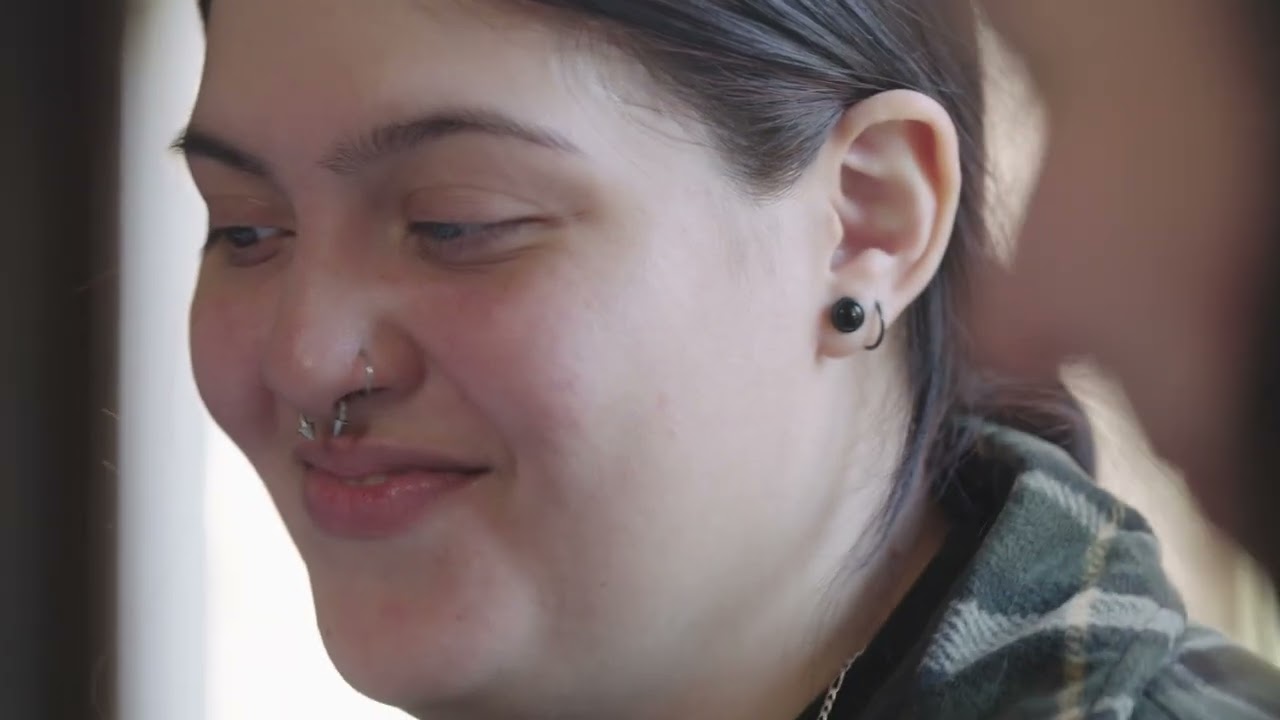
At Crestview Recovery, our women’s rehab program in Portland, Oregon, combines evidence-based addiction treatment with mental health support, therapeutic services, and a strong recovery community. Treatment may include individual therapy, group therapy, family involvement, medication management, relapse-prevention planning, and support for rebuilding a healthy life outside of treatment. Rather than treating addiction as an isolated problem, the program considers each woman’s mental health, relationships, family responsibilities, trauma history, physical health, and long-term recovery goals.
Who is the Women’s Rehab Program For?
The program may also help women who:
- Feel unable to control how often or how much they use
- Experience strong cravings or withdrawal symptoms
- Continue using despite health, family, work, or legal consequences
- Use alcohol or drugs to cope with trauma, anxiety, depression, or stress
- Have previously completed treatment but need additional support
- Struggle with both substance use and a co-occurring mental health condition
Every woman enters treatment with a different history and set of needs. Crestview’s admissions and clinical teams conduct an initial assessment to determine the most appropriate treatment plan and level of care.
Compassionate Experts, Personalized Care

Eric Pinkston, MA, CADC III, QMHP-C
Professional Counselor Associate

Dave Cundiff, MD, MPH, FASAM
Medical Director

Jill C. Gladish, M.D., M.P.H., ABPN
Director of Psychiatry

Bonnie Lambert, LPC, PMHNP-BC
Nurse Practitioner
Our Reviews
Substances Treated in the Women’s Program
- Alcohol addiction
- Opioid addiction
- Opiate addiction
- Fentanyl addiction
- Heroin addiction
- Oxycodone addiction
- Benzo addiction
- Xanax addiction
- Cocaine addiction
- Meth addiction
- Marijuana addiction
- Kratom addiction
- Prescription addiction
Women who use more than one substance can receive coordinated treatment that considers how each substance may affect withdrawal, mental health, relapse risk, and the overall recovery process.
Alcohol Addiction Treatment for Women
Alcohol addiction treatment for women at Crestview Recovery focuses on helping clients understand the underlying factors contributing to their drinking. Through individual counseling, group therapy, family therapy, behavioral therapies, and recovery education, women can begin identifying triggers and developing healthier ways to respond to stress, difficult emotions, relationship problems, and social pressure.
Treatment also emphasizes relapse prevention and practical recovery skills. Women learn how to recognize warning signs, manage cravings, set healthy boundaries, create supportive routines, and build a recovery network that can continue after formal treatment ends.

Drug Addiction Treatment for Women
At Crestview Recovery, each client receives a personalized treatment plan based on their clinical needs and recovery goals. Treatment may incorporate cognitive-behavioral therapy, dialectical behavior therapy, individual counseling, group sessions, family therapy, medication management, and holistic recovery activities.
Clients also work on the practical skills needed to maintain recovery after treatment. This may include improving emotional regulation, rebuilding relationships, developing healthy routines, preparing for high-risk situations, strengthening communication skills, and creating an individualized relapse-prevention plan.
Co-Occurring Mental Health and Trauma-Informed Care
Crestview Recovery provides dual-diagnosis treatment for women experiencing addiction alongside conditions such as:
- Anxiety disorders
- Depression
- Post-traumatic stress disorder
- Attention-deficit/hyperactivity disorder
- Bipolar disorder
- Other psychiatric or emotional health concerns
Rather than addressing addiction and mental health separately, treatment integrates both concerns into one coordinated plan. Services may include individual therapy, group therapy, psychiatric support, medication management, CBT, DBT, and trauma-focused therapy.
Trauma-informed care emphasizes emotional and physical safety. It helps women understand how past experiences may influence current behaviors without defining them by those experiences. Clients can learn to identify trauma-related triggers, develop healthier coping mechanisms, improve emotional regulation, and process difficult experiences at an appropriate pace.
Residential, PHP, IOP, and Outpatient Options
Residential treatment is Crestview Recovery’s highest level of care. Clients live at the facility and receive structured, 24-hour support in a home-like recovery environment. This option may be appropriate for women who need separation from daily triggers, greater accountability, or more intensive support as they begin recovery.
A partial hospitalization program, or PHP, provides intensive clinical programming with more independence than residential treatment. PHP may serve as a step down from residential care or as an initial treatment option for women who need substantial structure but do not require the same level of 24-hour supervision.
An intensive outpatient program, or IOP, provides structured treatment while allowing clients to maintain more of their work, family, school, or personal responsibilities. IOP generally includes more clinical programming than standard outpatient treatment and may be appropriate for women with a stable living environment who do not require round-the-clock support.
Traditional outpatient treatment provides the greatest scheduling flexibility. Clients may participate in individual counseling, group therapy, medication management, mental health services, and continued recovery support while living at home. Outpatient care may be used as a step down from a more intensive program or for ongoing maintenance and relapse prevention.

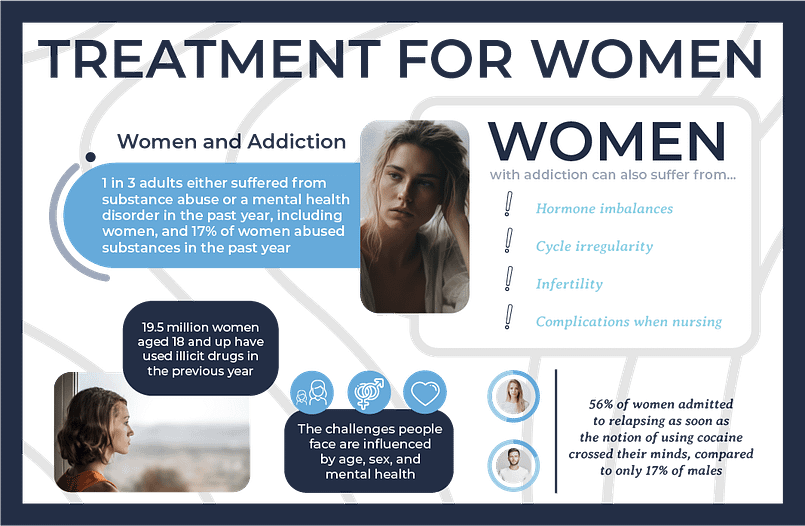
Why Gender-Specific Treatment Can Help
A gender-specific treatment environment gives women space to discuss these concerns with greater comfort and fewer distractions. Connecting with other women who have faced similar challenges can reduce feelings of shame and isolation while creating opportunities for trust, accountability, and mutual support.
Gender-specific treatment does not assume that every woman has the same experience. Instead, it creates an environment in which each client can explore how biological, emotional, relational, cultural, and trauma-related factors have influenced her substance use. Women can then build healthier relationships, strengthen their confidence, practice setting boundaries, and develop a recovery plan that reflects their individual lives and goals.
Insurance Verification and Admissions
The admissions team can also verify your insurance benefits and explain what services may be covered under your specific plan. Crestview Recovery works with many insurance providers, although coverage, network status, deductibles, and out-of-pocket expenses vary by policy.
Submitting an insurance verification request does not obligate you to enter treatment. Once benefits have been reviewed, the team can explain available options and help determine whether Crestview Recovery is an appropriate fit. A clinical assessment is then used to recommend residential treatment, PHP, IOP, outpatient care, or another suitable service.
The Road to Freedom Begins at Crestview Recovery
Our team of drug and alcohol rehab specialists is eager and ready to offer expertise and compassionate support while you work toward a full recovery. Contact us today to learn more about our programs and addiction therapy services.
Drug Rehab for Women FAQ
The signs of substance abuse in women often manifest through distinct physical, behavioral, and psychological changes that disrupt daily life and well-being. Key behavioral indicators include neglecting personal or professional responsibilities, withdrawing from family and social activities, and exhibiting sudden, secretive changes in routine. Physically, you may notice unexplained weight fluctuations, poor hygiene, and changes in sleep patterns or energy levels. If you suspect that you or a loved one is struggling with addiction, we encourage you to seek professional help right away.
Gender-specific care provides a safe, focused environment where women can address the unique biological, social, and trauma-related factors that influence their addiction and recovery. This approach minimizes distractions and fosters a strong sense of community and mutual understanding, allowing for deeper therapeutic work on issues like relationships, self-esteem, and trauma that are often central to women’s experiences. Ultimately, it creates a supportive space that enhances vulnerability, increases engagement in treatment, and improves long-term outcomes.
Choosing a rehab program requires carefully evaluating your specific needs, the program’s treatment philosophy, and the practical logistics of attending care. You should seek a program that offers evidence-based therapies tailored to women’s experiences and provides a continuum of care, like Crestview Recovery’s women’s program. It is also essential to verify insurance coverage, visit the facility if possible, and ensure the clinical approach aligns with your personal recovery goals.
Our admissions team is happy to help you and can provide any information you need to make a decision.
The duration of women’s rehab varies significantly based on the individual’s needs, the severity of the addiction, and the level of care, typically ranging from 30-day programs to 90-day or longer stays for more intensive support. Many benefit from following a step-down approach, moving from residential or Partial Hospitalization (PHP) to Intensive Outpatient (IOP) and then Outpatient treatment, which can extend the active treatment phase to six months or more. The most effective programs are flexible and focus on creating a sustainable, long-term recovery plan rather than a fixed, one-size-fits-all timeline.
Yes, most insurance plans provide coverage for rehab for women, as the Affordable Care Act requires most policies to cover mental health and substance use disorder treatment as essential health benefits. The extent of coverage—including in-network benefits, co-pays, and the length of stay approved—depends entirely on your specific insurance plan and the details of your policy. Our admissions team can help you verify your benefits and understand any out-of-pocket costs before beginning treatment.