Crestview’s residential programs are licensed by the Oregon Health Authority for substance use disorder residential treatment at ASAM Level 3.1 (Clinically Managed Low-Intensity) and ASAM Level 3.5 (Clinically Managed High-Intensity), delivered across three licensed residences in Portland.
When your body and mind start craving more of a substance just to feel normal, that cycle can damage your health, disrupt your family life, and steadily reduce your quality of life. Addiction is not a lack of willpower—it is a form of substance dependence that can affect brain function and impact individuals and families across Oregon. Family support in residential treatment can also play an important role by helping loved ones understand addiction and providing encouragement throughout the recovery process.
For people struggling with substance use and for families or loved ones trying to find effective help, inpatient care can provide the stability needed to begin recovery. At Crestview Recovery in Portland, treatment is designed to remove you from daily triggers and give you space to heal physically and mentally in a supportive residential environment tailored to your needs. Contact our admissions team for more information.

Healing Begins Here
Residential Treatment Vs. Inpatient Rehab
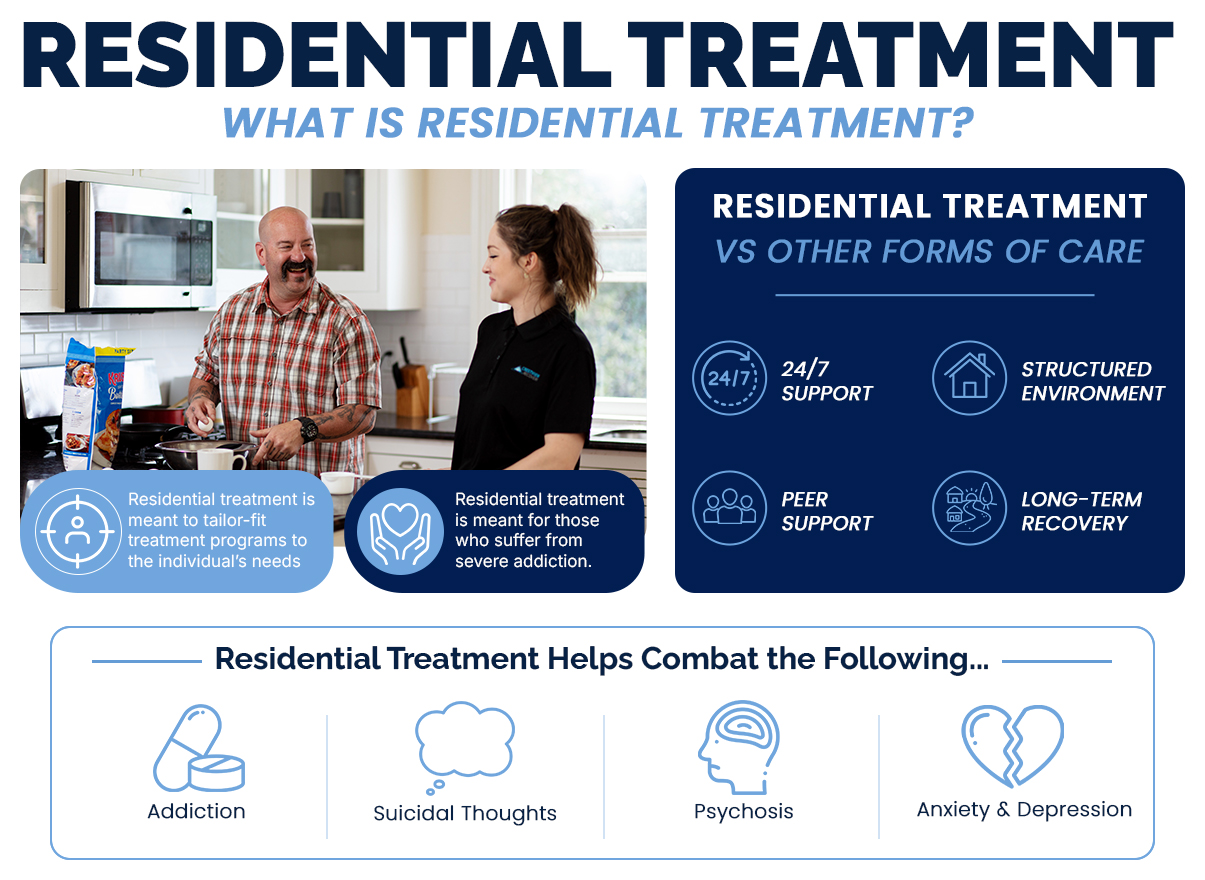
“Residential treatment” and “inpatient rehab” are often used interchangeably, and at Crestview Recovery, they describe the same level of care: 24/7, live-in addiction treatment. Some clinical settings reserve “inpatient” for hospital-based detox or acute stabilization and use “residential” for the longer-term, non-hospital program that follows.
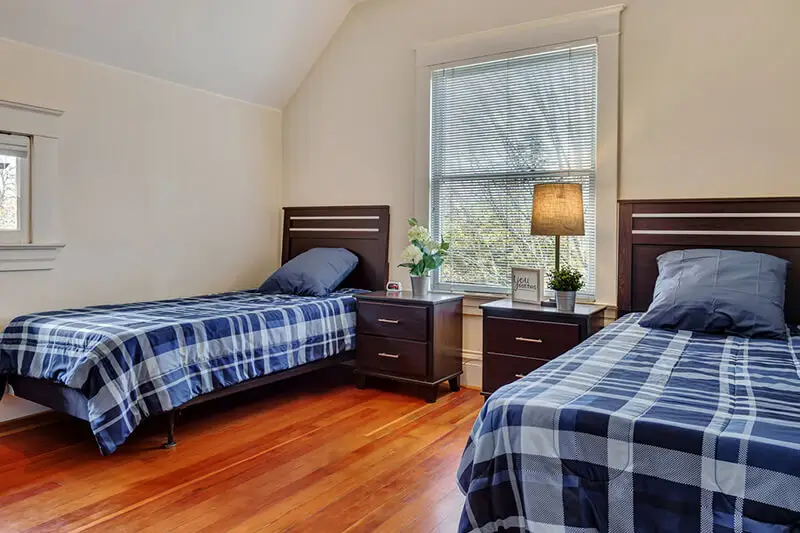
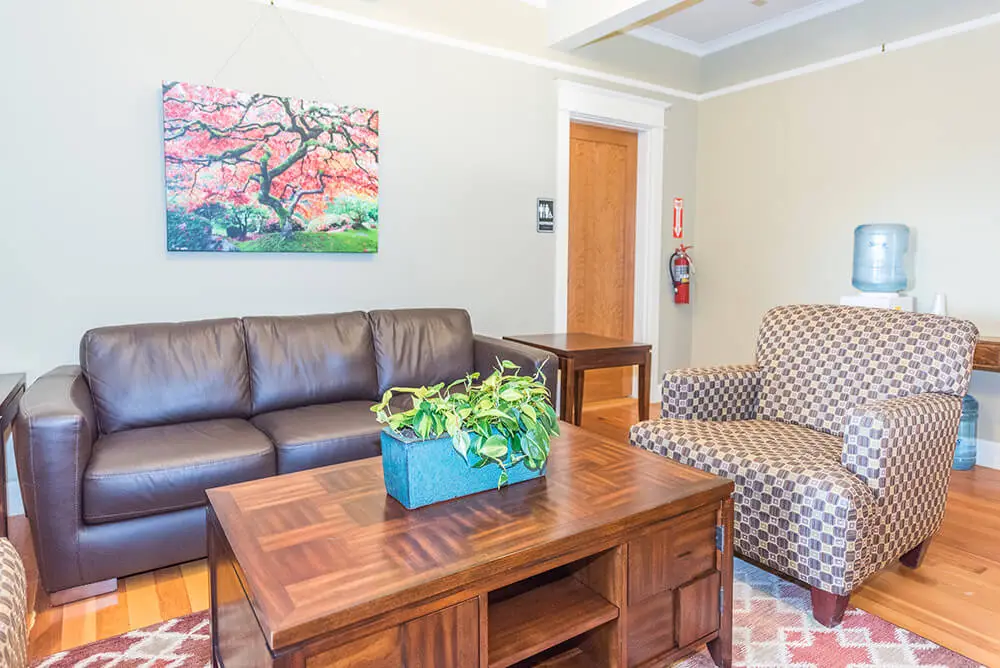
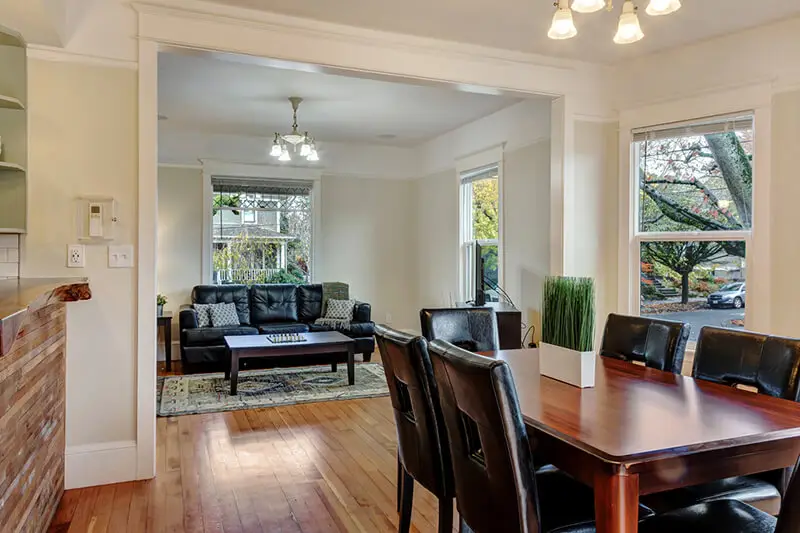
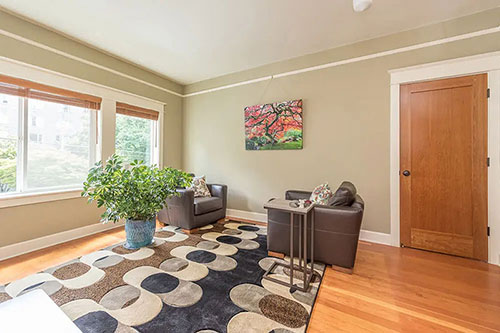
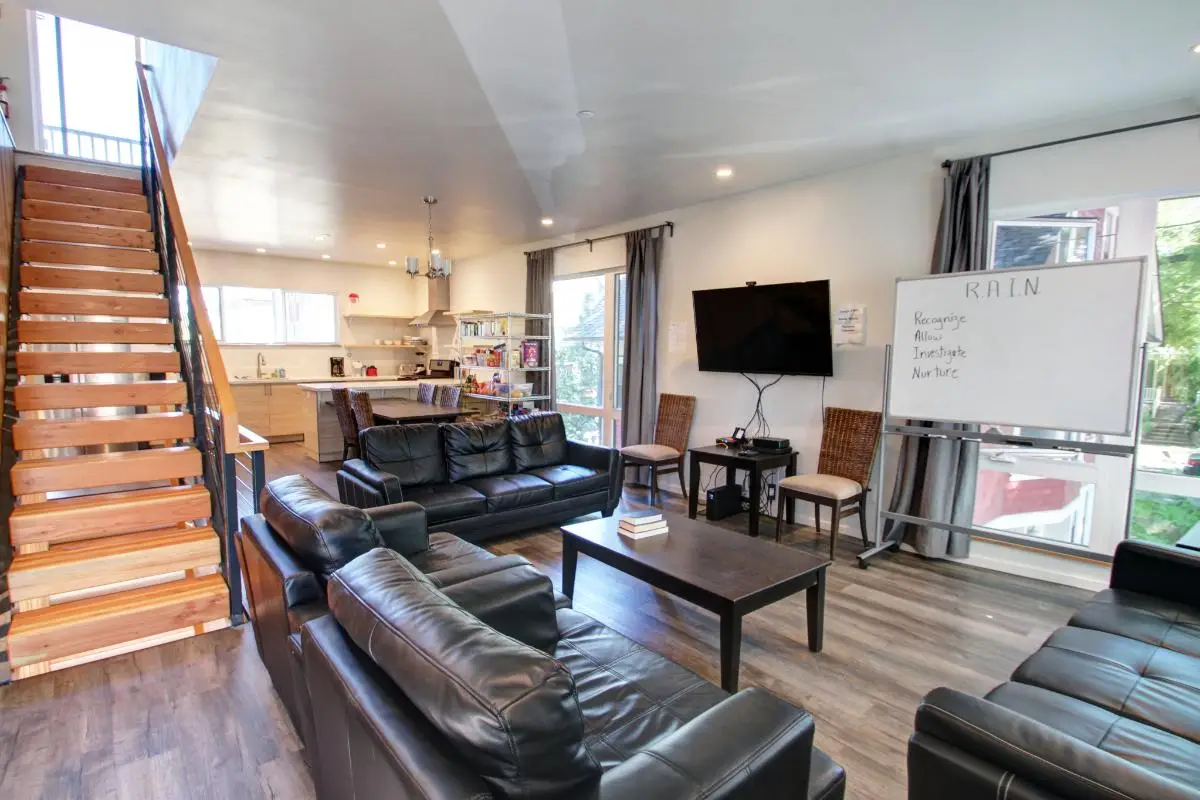
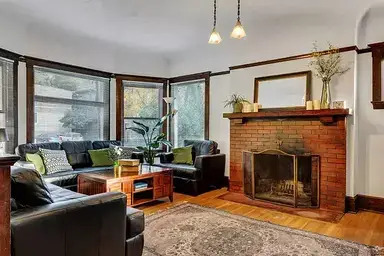
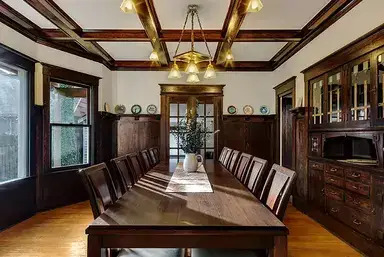
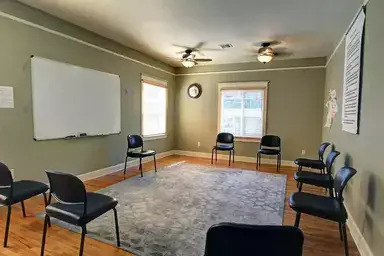
At Crestview, our residential program is a non-hospital, home-like setting on our Portland campus where clients live full-time while receiving intensive treatment. Whether you’re searching for inpatient treatment in Portland, Oregon or residential treatment, this is the program built to meet that need.
What Does Residential Treatment Include?
- Comprehensive intake assessment and personalized treatment planning
- 24/7 on-site medical and clinical support
- Individual, group, and family therapy
- Evidence-based clinical services (CBT, DBT, medication management, trauma-focused counseling)
- Holistic offerings, including yoga, meditation, and nutrition support
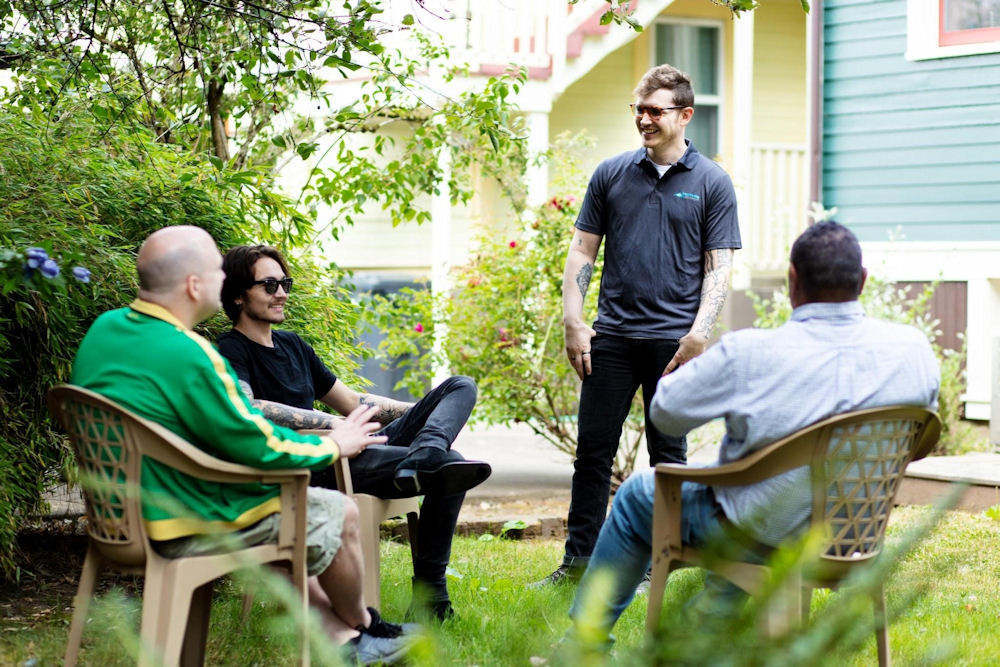
- Structured daily schedule and peer community
- Discharge and aftercare planning are built in from day one
Who Needs Residential or Inpatient Care?
- Have a moderate-to-severe substance use disorder
- Have tried outpatient treatment before without lasting success
- Are managing a co-occurring mental health condition alongside addiction
- Need a substance-free environment away from daily triggers to stabilize
- Would benefit from around-the-clock medical or clinical supervision
There’s no meaningful difference in effectiveness between residential rehab and inpatient treatment for addiction; the right choice depends on your individual circumstances. Crestview offers gender-specific tracks, including:
Conditions and Substances We Treat in Portland, OR
Daily Structure in Residential Treatment

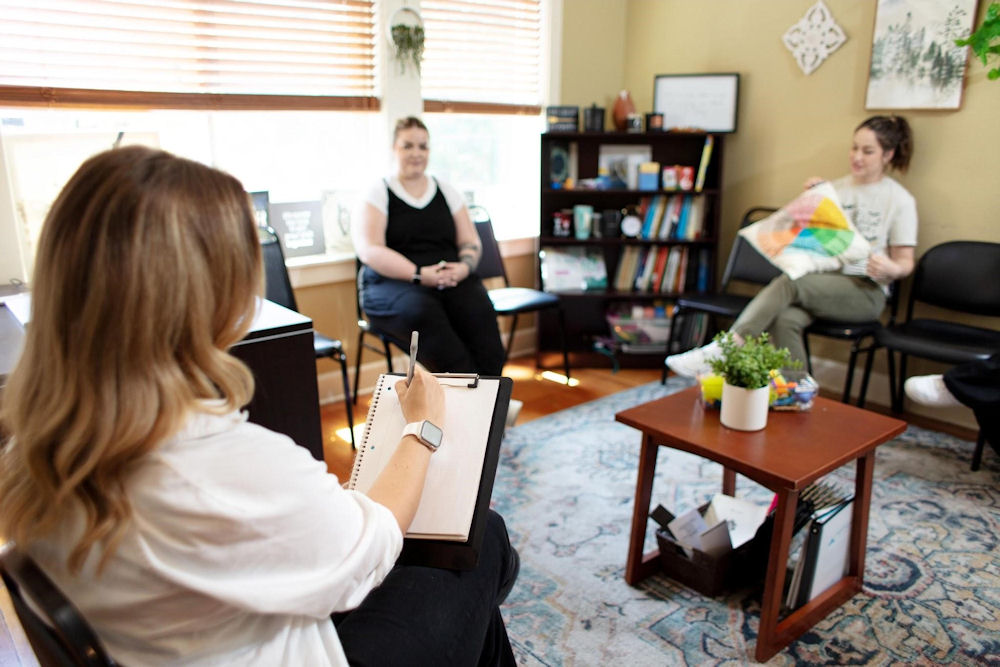
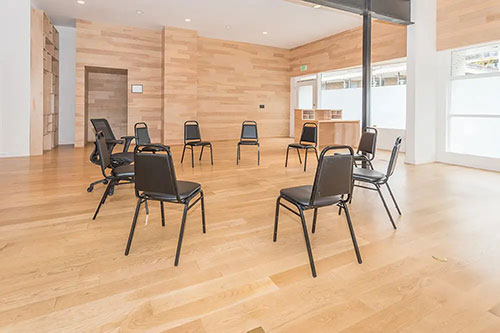
A typical day at Crestview includes a healthy breakfast, morning group or individual therapy, afternoon clinical sessions addressing specific issues such as trauma or stress management, and free time for recreational or holistic activities such as yoga or arts and crafts.
Evenings focus on quieter activities like journaling and building healthy sleep habits, with medical and clinical support available throughout your stay. Every client’s schedule is adapted to their personalized treatment plan.
Clinical Services
Cognitive-Behavioral Therapy (CBT) — Helps you identify and change harmful thought patterns that lead to substance use, equipping you with skills to cope with life’s challenges in healthier ways.
Dialectical Behavior Therapy (DBT) — Focuses on teaching skills like mindfulness, distress tolerance, emotional regulation, and interpersonal effectiveness to help manage emotions and reduce relationship conflict.
Medication Management — Our clinical team assesses and monitors any medications you may require, ensuring your prescribed treatment aligns with your broader clinical care plan and supports your overall health.
Trauma-Focused Counseling — Addresses the impact of traumatic experiences on mental health and substance use, helping you process trauma and develop healthy coping strategies.
Family Counseling — Addiction affects the whole family. Our family and marital counseling services help repair relationships and cultivate a supportive environment for recovery.
If you’re in Portland, Oregon, and considering rehab, we invite you to Crestview. Our experienced medical staff—doctors, nurses, therapists, and peer mentors—provide comprehensive addiction and mental health care, with specialized support for clients who need more focused clinical care, including PTSD-focused support. Our evidence-based programs are guided by the latest research and backed by years of experience. Start your new chapter of recovery with us.
Dual Diagnosis Support
MAT in Inpatient Treatment Services
MAT is specialized support for individuals with opioid or alcohol use disorders that combines FDA-approved medications with counseling and behavioral therapies to support long-term recovery. Our inpatient program includes medication for addiction treatment. Medications like methadone and buprenorphine help safely manage withdrawal symptoms and enable clients to have a smoother recovery process.

Extended Residential Treatment Options
Long-Term Residential Treatment
24-hour, non-hospital care that uses the full program community as part of treatment
Long-Term Rehab Programs
Six months or more, often combining detox, counseling, and vocational or life-skills training
Therapeutic Communities (TCs)
Highly structured, 6-to-12-month programs often used for long-term, severe addiction

Sober Living Houses (SLHs)
substance-free housing for clients transitioning out of residential care
The right length and type of program depends on the severity of your addiction, any co-occurring conditions, and your personal circumstances.
Trauma-Informed Care at Crestview
Levels of Care After Residential Treatment
- Partial Hospitalization Program (PHP): PHP is the most structured step-down option, offering significant clinical support with more flexibility than full-time residential care.
- Intensive Outpatient Program (IOP): Intensive outpatient programs offer a higher level of outpatient care for clients who can manage recovery without 24/7 supervision.
- Aftercare Program: We offer aftercare that includes ongoing support, alumni programming, and relapse-prevention resources once formal treatment ends.
Many clients also begin their recovery with off-site medical detox before entering residential treatment, which takes about 3-7 days. Then clients step down through PHP, IOP, or aftercare support as they progress.

Insurance & Admissions
Accreditation and Quality Standards
Contact Us
Call us at (866) 910-9526 to speak with our admissions team, available 24/7. If you’d rather start online, submit an insurance verification request, and we’ll confirm your coverage before you commit to anything.
Frequently Asked Questions
At Crestview Recovery, these terms describe the same level of care: 24/7, live-in addiction treatment with continuous medical and clinical support.
The cost of inpatient rehab in Portland varies based on length of stay, level of care, and insurance coverage. Residential care in this area can cost $24,155 out of pocket, but insurance can significantly reduce costs. Many centers, including Crestview, accept insurance and offer financial guidance to help make treatment accessible.
Most inpatient rehab centers in Portland, including Crestview Recovery, accept major insurance plans. Coverage depends on your specific policy and the provider’s network status, so it’s important to verify your insurance before admission.
Specialized inpatient tracks can include dual diagnosis support for co-occurring mental health disorders, trauma-informed care, gender-specific programs, LGBTQ+ support, and young adult tracks tailored to specific populations.
Yes. Family involvement is encouraged through family therapy sessions, education, and structured visitation. Family support is associated with better treatment outcomes and long-term recovery.
Inpatient rehab typically lasts at least 28 days, but extended treatment may be more effective. Our clinical team will assess your needs and help determine the best level of care for you.
Aftercare support includes alumni groups, relapse prevention counseling, ongoing therapy, and peer support networks to help clients maintain recovery after completing residential treatment.
Oregon’s House Bill 4002 rolled back the drug decriminalization established under Measure 110, recriminalizing simple drug possession as a misdemeanor effective September 1, 2024, while preserving treatment-focused funding and encouraging treatment diversion over incarceration. This shift has increased emphasis on connecting people to residential and inpatient treatment as an alternative to the justice system.
Yes. Crestview offers a Telehealth IOP program for ongoing care, family sessions, and virtual support groups to maintain continuity of care after residential treatment ends.
Residential addiction treatment may be appropriate for people who need a structured, supportive environment to address substance use. It is often recommended for individuals with moderate to severe addiction, repeated relapse, co-occurring mental health concerns, an unstable home environment, or those who have not responded well to outpatient treatment.