At Crestview Recovery in Portland, Oregon, our clinicians specialize in compassionate, evidence-based depression treatment tailored to each person’s unique needs. Whether you are struggling with major depressive disorder, treatment-resistant depression, or depression co-occurring with a substance use disorder, our multidisciplinary team of psychiatrists, psychologists, and counselors is here to help you find lasting relief and reclaim your mental health.
Do you need mental health treatment in Portland? Call us today (855) 368-7155 for more information.

Healing Begins Here

What Are the Signs and Symptoms of Depression?
- Persistent feelings of sadness, emptiness, or hopelessness
- Loss of interest or pleasure in activities that were once enjoyable
- Significant changes in appetite or body weight
- Difficulty concentrating, making decisions, or remembering things
- Fatigue or loss of energy (even after rest)
- Irritability, restlessness, or unexplained agitation
- Physical symptoms such as headaches, digestive problems, or body aches without a clear cause
- Thoughts of self-harm, suicide, or feeling like a burden to others
If you or someone you love is experiencing several of these symptoms, it is important to seek a professional evaluation. Depression is treatable, and the sooner help is sought, the better the outcome.
Signs That Medication May Need Adjustment
- Manic episodes: Characterized by heightened energy, impulsivity, and racing thoughts, which may suggest a mood disorder requiring a different treatment approach
- Emotional changes: Difficulty stabilizing mood swings or extreme emotional highs and lows
- Escalation: Development of new phobias or compulsive behaviors
- Ongoing problems: Persistent insomnia despite lifestyle adjustments like improved diet and regular exercise
If you are experiencing any of these symptoms, our team at Crestview Recovery can help. We offer medication management to help you stabilize and use prescription medications when necessary.

What Is a Depression Treatment Program?
The most widely used and effective treatments for depression are psychotherapy and medication, and our clinical team draws on both while also supporting healthy lifestyle changes that reinforce long-term recovery. Telehealth treatment can be highly effective for treating depression. We also offer in person services and telehealth psychiatry for remote medication management and therapy sessions. Our team conducts a thorough assessment to identify the right combination of treatments for each individual.

Therapy Approaches in Our Depression Treatment Program
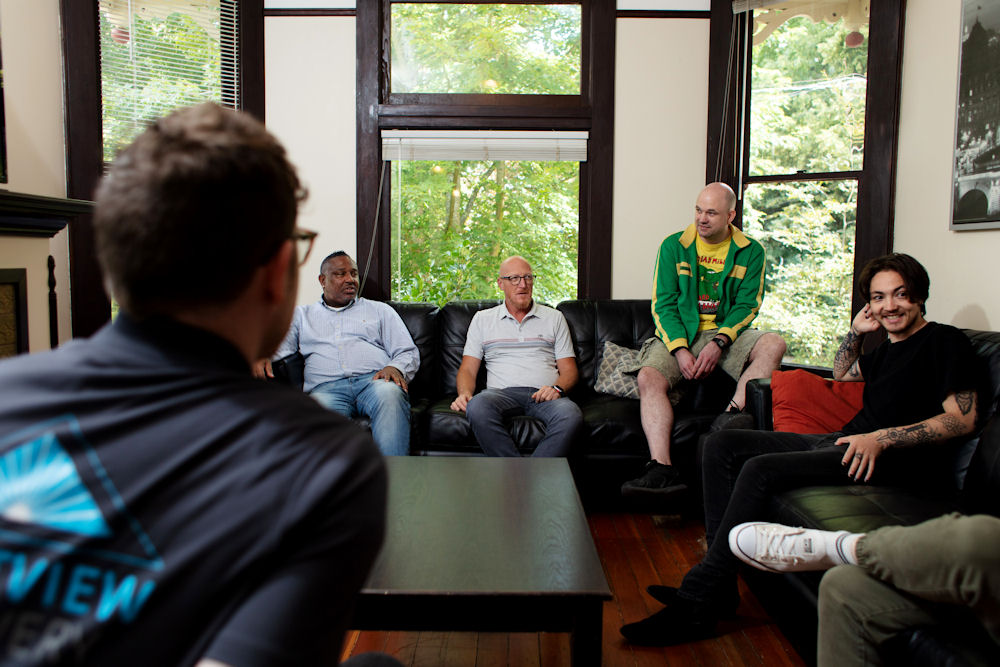
In individual therapy sessions for depression, clients work with a mental health therapist in a compassionate care setting designed to feel judgment-free and supportive. Using evidence-based approaches in depression therapy like CBT, DBT, or psychodynamic therapy, experienced therapists take a personalized approach to help individuals identify negative thought patterns, build self-awareness, improve self-esteem, and develop practical coping strategies for managing depressive symptoms.
Group therapy connects individuals facing similar challenges in a supportive setting led by a trained therapist. Participants gain insight from shared experiences, receive encouragement from peers, and practice interpersonal skills that support recovery and combat the isolation so often associated with depression.
Cognitive behavioral therapy (CBT) is one of the most well-researched and effective therapies for depression. It works by helping clients identify and reshape the thought patterns and behaviors that interfere with their mental health, while improving emotional regulation as those patterns change. By examining the relationship between thoughts, feelings, and actions, individuals learn how to respond to challenges in healthier, more constructive ways through personalized strategies.
Dialectical behavioral therapy (DBT) uses a combination of conversation, talk therapy, skills training, individual therapy, and self-monitoring to help clients develop healthy emotional responses. This approach is particularly effective for individuals who struggle with intense emotions, impulsivity, or difficulty regulating behavior and mood regulation alongside depression.
Our holistic therapy approach treats the whole person, mind, body, and spirit. In addition to evidence-based treatment, we incorporate practicing mindfulness, meditation, yoga, nutrition support, and creative therapies. These complementary modalities reduce anxiety, promote relaxation, and help build the emotional resilience needed for lasting recovery and relief from chronic stress.
Unresolved trauma is frequently an underlying driver of depression. Trauma therapy allows for an outlet for individuals to talk about and process their experiences without getting re-traumatized. Our trauma-informed therapists use evidence-based techniques (including Eye Movement Desensitization and Reprocessing, also known as EMDR) to help individuals process past trauma, understand its influence, and develop effective coping mechanisms.
Trauma-Informed Care (TIC)
The relationship between trauma and depression is complex. A trauma-informed therapist helps clients recognize when past experiences are driving current emotional responses and provides a safe, supportive space to work through those connections. This approach is woven throughout our depression treatment program at Crestview Recovery.
Addressing Treatment-Resistant Depression in Portland
At Crestview Recovery, we take a thorough, multidisciplinary approach to treatment-resistant depression. Our depression therapy Portland services may include a comprehensive diagnostic evaluation to identify co-occurring conditions, medication adjustments or alternative prescriptions, advanced therapies, holistic interventions, and lifestyle modification support. If you or a loved one has not found relief through previous depression treatment, we encourage you to reach out—there are effective options available.
What Are Co-Occurring Disorders with Depression?
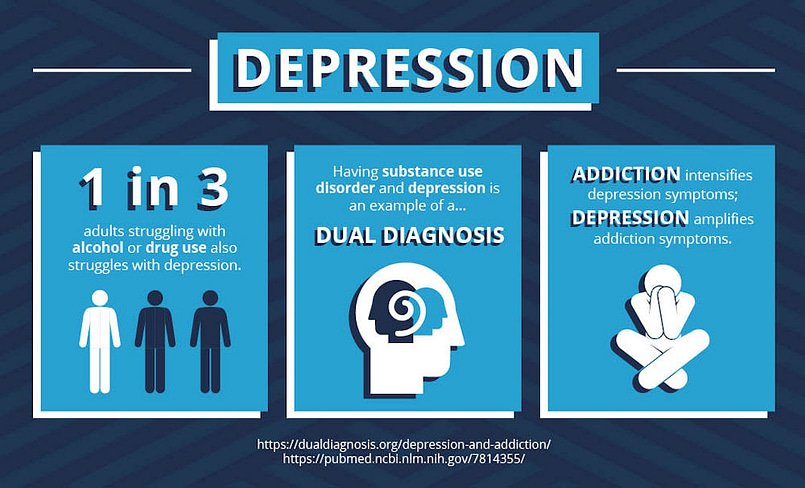
When individuals are overwhelmed by depression, they may turn to drugs to self-medicate, temporarily dulling symptoms but ultimately deepening the cycle of dependency, worsening daily functioning, and mental health decline. At Crestview Recovery, our comprehensive dual diagnosis approach addresses these complex, overlapping causes with tailored treatment plans designed to produce genuine, lasting healing.

Begin Your Journey of Recovery From Depression at Crestview Recovery
Whether you are seeking help for the first time or have struggled to find effective care in the past, we are committed to meeting you where you are. Contact us today or reach out online to learn more about our depression treatment programs. We are available 24 hours a day.
FAQs About Depression Treatment in Portland
If symptoms of depression have been lasting weeks or months and are intense enough to interfere with your life and relationships, it’s likely time to seek formal treatment. This may not mean that someone enters the most intensive treatment program; many people find success in an intensive outpatient program (IOP) that allows time for work and other obligations.
Most insurance providers offer some level of professional treatment for depression. However, coverage can vary between plan options and providers. Our admissions team can verify insurance benefits before you enter any kind of mental health treatment, so recovery can be your top priority.
Sadness is a normal emotional response to difficult life events and typically resolves as circumstances change. Clinical depression is a medical condition involving persistent low mood and physical symptoms that last for two weeks or more, and that significantly impair daily functioning (regardless of external circumstances). Depression can also appear in specific forms, including postpartum depression after childbirth and seasonal affective disorder during darker winter months triggered by seasonal changes.
The best type of depression treatment is the one that helps someone heal, whatever that looks like. Needing more intensive treatment or a longer stay in treatment doesn’t mean someone is “worse,” but that it may give them the best chance to have a stable recovery,
Depression has much more persistent symptoms than burnout, often lasting longer. Burnout often has one or very few causes, and is much more likely to result in ongoing frustration. Treatment also differs, but is dependent on individual needs.
Many people will attend depression treatment for a few weeks, but sometimes individuals need more time. It is highly dependent on the individual person, and comparing the length of time people spend in treatment is often not very helpful.
The best depression treatment centers in Oregon combine evidence-based therapy with psychiatric care, so you don’t have to coordinate between separate providers. When you compare programs, look for:
- a thorough assessment that screens for co-occurring conditions like anxiety, PTSD, or substance use
- therapies proven to work for depression, such as CBT and DBT
- medication management when needed
- more than one level of care, so treatment can match how much support you need
Our multidisciplinary team builds each depression treatment plan around the individual, including care for treatment-resistant depression.
Many do, and Crestview Recovery is one of them. Along with in-person care at our Southeast Portland facility, we offer a Telehealth IOP and telehealth psychiatry for remote therapy sessions and medication management. This can be a strong option if you live outside the Portland metro area, have work or family obligations, or simply feel more comfortable starting treatment from home. Our admissions team can help you decide whether telehealth or in-person care fits you best.