Contact Crestview Recovery in Portland, Oregon, to learn about our remarkable meth abuse treatment programs and substance use treatments.

Healing Begins Here

HOW IS METH ADDICTION TREATED?
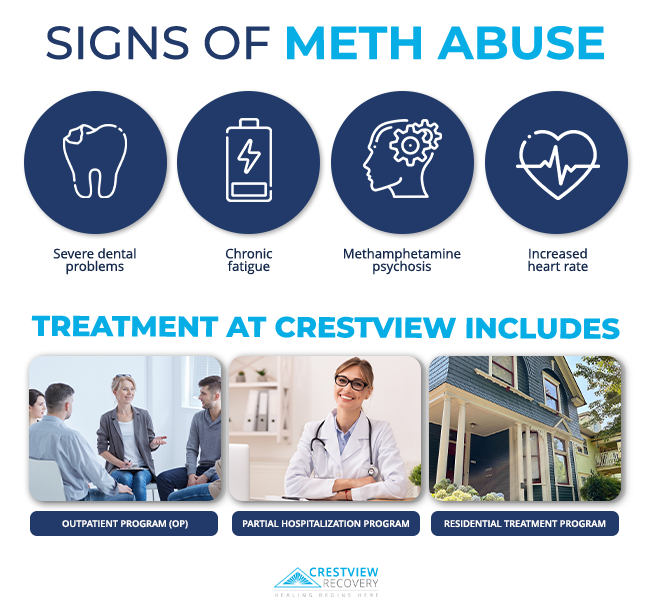
Our residential treatment center provides a therapeutic environment for individuals to focus on their recovery from substance use. Participants reside at the facility for an extended period, typically ranging from several weeks to several months, depending on individual needs. These programs offer a comprehensive approach to treatment, including individual therapy, group counseling, educational sessions, and recreational activities. Residential treatment centers provide intensive outpatient programs in a supportive community where individuals can learn coping skills, address underlying issues contributing to addiction, and develop strategies for long-term sobriety.
PHP for meth addiction delivers intensive, structured treatment during daytime hours while allowing clients to return to sober living or home in the evenings. It serves as an effective transition from residential care or as a starting point for those who need more support than a standard outpatient program provides. Clients in PHP engage in comprehensive therapy and skill-building sessions multiple days per week.
Our intensive outpatient program (IOP) is designed for clients who are ready to begin rebuilding their daily lives while continuing structured treatment. With multiple sessions per week covering therapy, relapse prevention, and life skills development, IOP offers meaningful support and accountability without requiring residential stay. It’s an ideal step-down from PHP or a strong starting point for those with a stable home environment.
Medication-assisted treatment combines FDA-approved medications with counseling and behavioral therapies for meth addiction treatment. While there are currently no FDA-approved medications specifically for methamphetamine use disorder, some medications may be prescribed off-label to manage cravings and withdrawal symptoms. Additionally, medications approved for other substance use disorders, such as opioid or alcohol addiction, may be used to address co-occurring conditions or underlying issues. MAT programs are typically offered in combination with other forms of treatment to provide a holistic approach to recovery.
A holistic treatment program for methamphetamine addiction integrates physical and mental health approaches to treat meth abuse comprehensively. Through medical detoxification, cognitive-behavioral therapy (CBT), and dialectical behavior therapy (DBT), individuals learn coping skills to manage cravings and address negative thought patterns. Nutritional counseling and regular exercise promote physical well-being, while mindfulness practices and spiritual exploration foster emotional healing and self-awareness. By addressing the multifaceted aspects of addiction, holistic programs empower individuals to achieve lasting recovery and improve overall quality of life.
THERAPY FOR METH ADDICTION
Cognitive-Behavioral Therapy (CBT) focuses on identifying and modifying the maladaptive thoughts and behaviors associated with meth addiction. By helping individuals recognize and challenge distorted thinking patterns that contribute to substance abuse, CBT equips them with coping skills to manage cravings, avoid triggers, and navigate high-risk situations. CBT also assists in developing strategies for problem-solving and goal-setting, empowering individuals to overcome obstacles in recovery.
Family therapy involves the participation of family members or loved ones in the treatment process to address relational dynamics and support recovery. By improving communication, resolving conflicts, and rebuilding trust within the family system, family therapy enhances the individual’s social support network and strengthens protective factors against relapse. Additionally, family therapy provides education and guidance on how to effectively support a loved one’s recovery journey, fostering a supportive and nurturing environment conducive to long-term sobriety.
Group counseling offers a supportive and nonjudgmental environment for individuals to share their experiences, challenges, and successes in recovery. Led by trained therapists or counselors, group sessions provide a sense of community and camaraderie among peers facing similar struggles with addiction. Through mutual support, encouragement, and accountability, group counseling fosters interpersonal connections, reduces feelings of isolation, and instills hope for recovery.
Dialectical Behavior Therapy combines elements of cognitive-behavioral therapy with mindfulness-based techniques to address emotional dysregulation and impulsivity commonly observed in meth addiction. By teaching distress tolerance, emotion regulation, interpersonal effectiveness, and mindfulness skills, DBT equips individuals with adaptive coping strategies to manage cravings, regulate emotions, and navigate interpersonal challenges without resorting to substance use. DBT also emphasizes acceptance and validation, fostering self-compassion and resilience in recovery.


CAUSES OF METH ADDICTION
Individuals may initially turn to methamphetamine as a means of self-medication for underlying mental health issues, such as severe depression or attention deficit hyperactivity disorder (ADHD), seeking relief from emotional distress or cognitive difficulties. Intense euphoria produced by methamphetamine can serve as a temporary escape from life experiences marked by trauma, stress, or adverse circumstances, driving individuals to seek solace in substance use.
Societal factors, such as peer pressure, availability, and cultural norms surrounding drug use, can contribute to the initiation and perpetuation of meth addiction. If an individual is raised or lives in an environment and social circle that has easy access to this drug, it can predispose them to addiction. This environment can also make it more difficult for an individual to maintain sobriety, as they don’t have a supportive environment in which to heal.
The neurobiological effects of methamphetamine on the central nervous system can lead to physical dependence and withdrawal symptoms, reinforcing compulsive drug-seeking behaviors.
Overall, the causes of meth addiction are multifaceted, encompassing a combination of genetic predisposition, psychological vulnerabilities, environmental triggers, and the pharmacological properties of the drug itself. Understanding these factors is crucial for developing effective prevention and treatment strategies to combat methamphetamine abuse and support individuals on the path to recovery.
WHAT DOES METH ADDICTION LOOK LIKE?
Physical signs of meth use include:
- Deterioration in Physical Appearance: Individuals addicted to methamphetamine may exhibit signs of poor hygiene, weight loss, and skin sores due to compulsive skin picking — often contributing to the appearance commonly referred to as meth face.
- Dental Issues: This includes the notorious “meth mouth,” characterized by severe tooth decay, gum disease, and tooth loss, which is a common physical consequence of long-term meth use.
- Changes in Sleep Patterns: Methamphetamine disrupts normal sleep cycles, leading to insomnia or irregular sleep patterns.
- Appetite Changes: Methamphetamine suppresses appetite, resulting in significant weight loss and malnutrition.
Many families also notice a strong ammonia-like or burnt-plastic odor and may wonder, what does meth smell like? Methamphetamine can produce a chemical, ammonia-like, or solvent-like smell, although the odor varies depending on how it is made and used.
Mental signs of meth use include:
- Mood Swings: Individuals may experience extreme mood swings, oscillating between euphoria during drug use and profound depression during withdrawal.
- Paranoia: Methamphetamine abuse often triggers paranoia, hallucinations, and delusions, leading individuals to become suspicious and mistrustful of others.
- Impaired Cognitive Function: Prolonged methamphetamine use can impair cognitive function, leading to difficulties in memory, attention, and decision-making.
- Psychosis: In severe cases, meth use can induce psychosis, characterized by disorganized thoughts, erratic behavior, and detachment from reality.
Individuals who are using meth often display the following behavioral signs:
- Compulsive Drug-Seeking Behavior: Individuals may prioritize obtaining and using methamphetamine above all else, neglecting responsibilities, relationships, and personal well-being.
- Social Withdrawal: Meth addiction often leads to social isolation as individuals become increasingly preoccupied with drug use and withdrawal from friends and family.
- Financial Strain: Supporting a methamphetamine addiction can be financially burdensome, leading individuals to engage in risky or illegal behaviors, such as theft or prostitution, to fund their habit.
- Erratic or Aggressive Behavior: Methamphetamine abuse can lead to impulsive and aggressive behavior, increasing the risk of violence and confrontation.
GET HELP FOR YOURSELF OR A LOVED ONE AT CRESTVIEW RECOVERY
Contacting professionals at meth treatment centers, such as Crestview Recovery, is the first step in gaining more information about our meth rehab centers. Overcoming meth use isn’t easy, but sobriety and recovery are possible with the right programs and recovery community. To learn more about our meth addiction programs, give us a call.
FREQUENTLY ASKED QUESTIONS ABOUT METH ADDICTION TREATMENT
Meth withdrawal is primarily psychological, but that doesn’t make it any less intense. Common symptoms include severe cravings, extreme fatigue, depression, irritability, and disrupted sleep.
Withdrawal generally occurs in two phases: an acute phase during the first seven to ten days when symptoms peak, followed by a prolonged phase that can last weeks to months as the brain works to rebalance itself. Medical supervision during this period is strongly recommended and significantly reduces the risk of relapse.
Yes. Relapse is a common part of the recovery journey for many people and is not a sign of permanent failure. It often signals that the previous approach to treatment needs adjustment, whether that means a higher level of care, addressing a co-occurring mental health condition, or developing stronger relapse prevention strategies. At Crestview, we meet clients wherever they are and build individualized plans that account for their full history with addiction.
Absolutely. Many people struggling with meth addiction also live with depression, anxiety, PTSD, or other mental health conditions, and these issues are deeply interconnected with substance use. Crestview’s dual diagnosis program treats both simultaneously, because lasting recovery depends on addressing the full picture, not just the addiction itself.
Treatment length varies depending on the severity of the addiction, individual history, and personal needs. Some clients begin with a 30-day residential program and step down through PHP and IOP, while others benefit most from the structure of a 90-day extended care program. Our clinical team works with each client to determine the right level of care and adjust the plan as recovery progresses.
Yes. Crestview accepts most major insurance plans, including Aetna, Blue Cross Blue Shield, Cigna, Kaiser Permanente, Providence, Moda, and many others. You can verify your benefits quickly through our online insurance verification tool or by calling our admissions team directly.